Last updated 2026-07-24
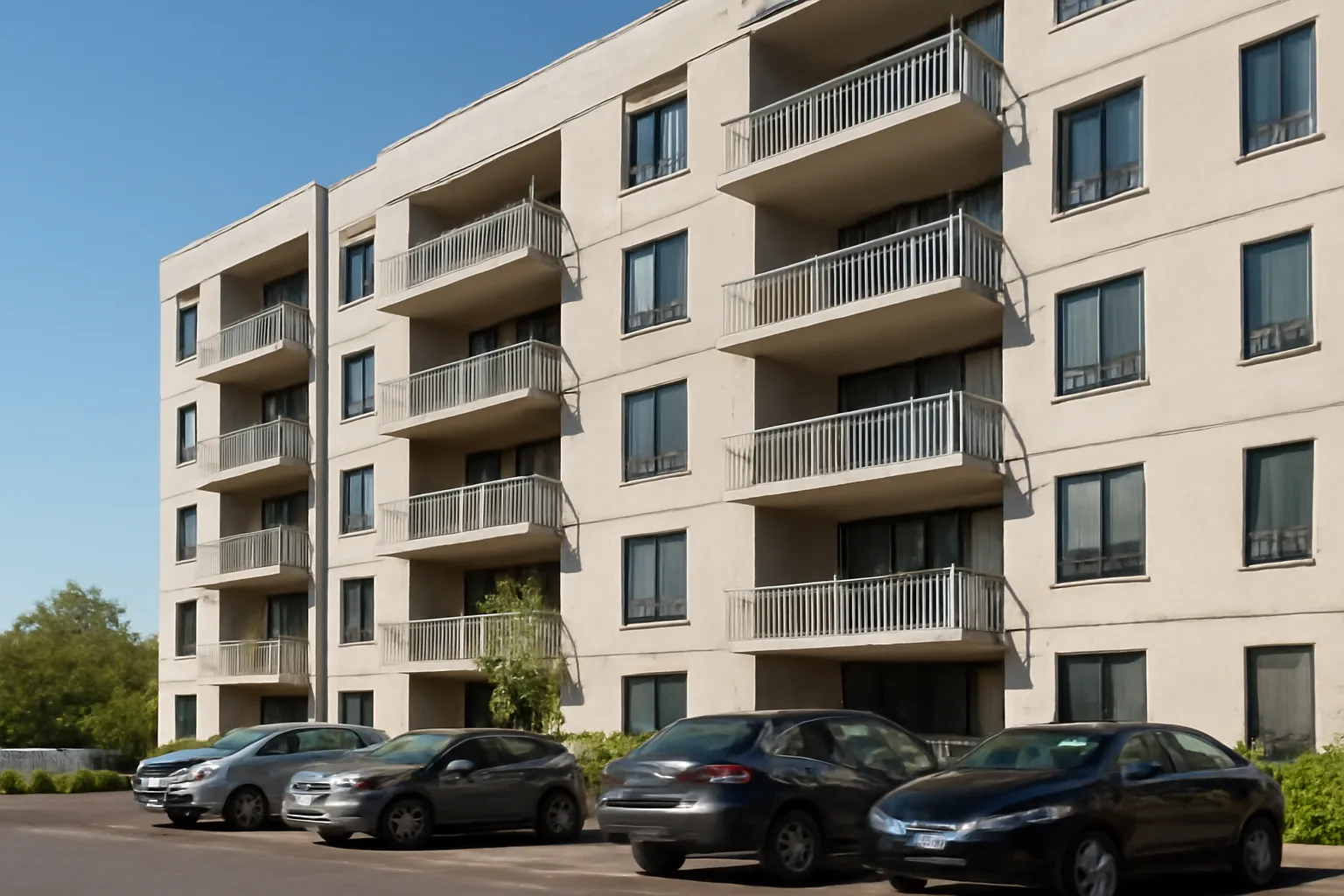
TL;DR
A SIRS (Structural Integrity Reserve Study) is a detailed engineering assessment of a building's structural components and a financial plan to fund their repair and replacement. Florida law requires condos and co-ops three stories or taller to complete a SIRS by December 31, 2024, and update it every 10 years. The study identifies what will fail and when, calculates replacement costs, and sets reserve contribution amounts to avoid underfunding and last-minute special assessments.
What is a SIRS inspection in Florida?
A Structural Integrity Reserve Study (SIRS) is a two-part mandate under Florida Statutes §718.112(2)(g): a visual inspection by a licensed architect or engineer, plus a reserve funding analysis [1]. The inspection covers the building envelope (roof, load-bearing walls, exterior windows and doors), the primary structural system (foundation, load-bearing walls and columns, floor and roof decks), waterproofing and exterior painting, and any other item that affects structural integrity or waterproofing [1]. The engineer walks the property, identifies deferred maintenance, estimates remaining useful life for each component, and projects replacement costs. The reserve study part takes those component lifespans and costs, then calculates how much the association must set aside each year to fully fund future repairs without a surprise special assessment. It's a budget spreadsheet tied to real engineering data, not a guess. Florida's SIRS law applies to condominium and cooperative associations with buildings three stories or taller, measured from the lowest level of egress [1]. Timeshare condos and associations that have completed a Phase II milestone inspection under §553.899 within the past year are temporarily exempt [1]. HOAs are not required to do a SIRS under state statute, but many counties and lenders now ask for one anyway (more on that below). The first SIRS deadline was December 31, 2024 [1]. After that, associations must update the study at least every 10 years [1]. If a building undergoes a substantial alteration or improvement to the structural components or waterproofing, the study must be updated within 365 days [1].
Why did Florida create the SIRS requirement?
The Surfside collapse in June 2021 killed 98 people and exposed years of deferred maintenance and underfunded reserves. State investigators found that many condo boards lacked engineering expertise and relied on incomplete reserve studies that omitted structural items or assumed repairs could wait [2]. In response, the Florida Legislature passed SB 4-D in December 2022 (effective December 31, 2024), mandating SIRS for all qualifying buildings [1]. The goal was to force boards to face the real cost of aging concrete, rusting rebar, and leaking roofs before catastrophic failure. The law also ended the longstanding practice of waiving or reducing reserves by membership vote. Associations can no longer vote to defer contributions for structural and waterproofing items identified in the SIRS [1]. That change alone shifted Florida from one of the most reserve-lax states to one of the strictest.
Do HOAs need a SIRS inspection?
Florida Statutes Chapter 720 (the HOA statute) does not mandate a SIRS [3]. Homeowners associations are governed by different reserve rules: they must conduct a reserve study or formally vote to waive reserves each year, but no specific inspection depth is required by state law [3]. That said, many HOAs with mid-rise or high-rise buildings are completing SIRS-equivalent studies anyway. Reasons include: - Lender requirements: some banks now require a SIRS-style engineering inspection and fully funded reserves before approving purchase mortgages in HOA buildings over three stories.
- Insurance underwriting: carriers in Florida have tightened property coverage, and an engineering report showing deferred maintenance can trigger non-renewal or steep premium increases.
- Fiduciary prudence: board members face personal liability if they ignore known structural defects. A SIRS provides documentation that the board acted on professional advice.
- County building departments: some jurisdictions (Miami-Dade, Broward) have local ordinances that mirror the condo SIRS rule and apply to any multi-family building, regardless of ownership structure. If your HOA manages buildings three stories or taller built before 2000, confirm with your association's counsel whether a local ordinance or your governing documents require an inspection. Even if not legally required, many boards commission a reserve study that includes the structural scope as a risk-management move.
What does a SIRS inspection cost?
A SIRS inspection and reserve study for a mid-rise condo typically costs $2,500 to $10,000, depending on building size, complexity, and the engineer's scope [4]. Factors that drive cost: - Building height and footprint: a 10-story tower with parking decks and pool structures takes longer to inspect than a simple three-story walk-up.
- Age and condition: buildings with visible spalling, water intrusion, or incomplete maintenance records require more destructive testing (core samples, rebar scans).
- Prior studies: if the association completed a Phase II milestone inspection under the older statute, the engineer may reuse some data, reducing the SIRS cost.
- Market demand: in the year leading to the December 2024 deadline, many engineers were booked six months out, and some quoted premium rates. The reserve study component (the financial model) adds $1,000 to $3,000 if done separately, but most SIRS proposals bundle both [4]. Expect a combined fee of $5,000 to $7,000 for a typical 50-unit, six-story building. Those figures cover the study itself, not the repairs it uncovers. If the engineer finds $500,000 in deferred roof and balcony work, the board must fund that over time through higher monthly assessments or, if reserves are severely underfunded, a one-time special assessment.
What is a reserve study, and how does it differ from SIRS?
A traditional reserve study for an HOA or condo covers all major common-element components: roofs, elevators, HVAC, parking lots, pools, clubhouse equipment, and more. It estimates each item's remaining life, replacement cost, and calculates a monthly contribution so that money is available when the item fails. A SIRS is narrower in scope but deeper in engineering detail. It focuses only on structural integrity and waterproofing: foundation, load-bearing systems, roof structure (more than the membrane), exterior walls, windows, doors, and any item that keeps water out or holds the building up [1]. The SIRS must be performed by a Florida-licensed architect or engineer with experience in building inspection [1], and it must include a physical visual inspection, more than a paper review. Many associations now do a "full reserve study plus SIRS" package: the engineer inspects the structural items to SIRS standards, and a reserve specialist handles the financial model for both structural and non-structural components (the parking lot, the gym, the landscaping). This avoids paying for two separate engagements and ensures the reserve budget covers everything. Florida condo boards are required to fund reserves for roof replacement, building painting, pavement resurfacing, and any item with a deferred maintenance expense exceeding $10,000 if the replacement cost exceeds 115% of the association's total annual budget [1]. The SIRS structural items are mandatory and cannot be waived by vote [1].
How do you commission a SIRS inspection?
Start by requesting proposals from at least three Florida-licensed architects or engineers. Verify active licensure at the Florida Department of Business and Professional Regulation (https://www.myfloridalicense.com/intentions2.asp) [5]. The engineer should have experience with the building type (concrete mid-rise, wood-frame walk-up, steel high-rise) and prior condo or co-op work. The proposal should specify: - Scope of inspection: which components, how many units and common areas the engineer will access, whether destructive testing (coring, rebar scans) is included or billed separately.
- Deliverables: a written report identifying deficiencies, remaining useful life for each component, cost estimates, and a reserve funding table.
- Timeline: expect 60 to 90 days from contract signing to final report, depending on building access and lab turnaround for any testing.
- Fee structure: fixed fee or hourly, payment schedule (often 50% at contract, 50% at delivery), and what triggers additional charges (for example, if the engineer finds concealed damage requiring more investigation). Once you select an engineer, the board must coordinate access. The engineer needs to inspect roofs, mechanical rooms, parking decks, exterior walls, and a sample of units (typically one per floor and building corner to check for pattern defects). Send advance notice to residents and arrange key access. After the report arrives, schedule a board meeting with the engineer present to walk through findings. The engineer will flag items that need immediate repair (safety hazards, active leaks) versus those that can be phased over years. Use that prioritization to update your reserve funding plan and construction schedule. BoardDeadline's Building-Specific Board Compliance Kit ($199 one-time at /board-kit-builder) organizes your SIRS timeline by building age and height, generates resident notices for inspection access, and tracks engineer proposals and deadlines in one dashboard. The kit doesn't replace the licensed engineer, it organizes the process so your board stays on schedule and documents every step for auditor and lender review.
What happens after the SIRS report is delivered?
The association must adopt a written reserve funding plan based on the SIRS within 90 days of receiving the report [1]. The plan must show the current balance for each structural reserve category, the annual contribution amount, and the projected year-end balance. Boards have three funding methods to choose from under Florida Statutes §718.112(2)(f) [1]: - Straight-line: divide the total estimated cost by the years remaining, deposit that amount each year.
- Pooling: lump similar components together (for example, all exterior painting) and fund the pool rather than individual line items.
- Component (or cash-flow): model each component's actual replacement schedule and fund based on when the cash outflow happens. The SIRS will recommend a method. Most engineers prefer straight-line or component because it matches cash needs to actual timelines. Pooling can mask underfunding if one item in the pool has a much shorter remaining life than the others. The board must disclose the reserve funding plan in the annual budget sent to owners [1]. If the association cannot afford the recommended contribution without a severe jump in monthly fees, the board may phase in increases over two or three years, but that delay increases the risk of a special assessment if a roof or balcony fails before the reserves catch up. If the SIRS identifies immediate safety hazards (spalling concrete over walkways, structural cracks, active water intrusion), the board must address those repairs right away, even if it means borrowing or levying a special assessment. Waiting is not an option once an engineer documents a life-safety defect.
What is an HOA assessment, and how do special assessments work?
An HOA or condo assessment is the monthly (or quarterly) fee each owner pays to cover common expenses: insurance, management, utilities, landscaping, and reserve contributions [6]. "Regular assessment" and "maintenance fee" mean the same thing. A special assessment is a one-time charge levied when the association needs cash for an expense not covered by regular reserves or operating funds. Common triggers include emergency repairs (hurricane damage, a failed roof), deferred maintenance uncovered by a SIRS, or a large lawsuit settlement [6]. Florida condos may levy a special assessment by board vote if the governing documents allow it, or by membership vote if the documents require owner approval above a certain dollar threshold [1]. Check your declaration and bylaws; many require a membership vote for assessments exceeding 5% or 10% of the annual budget. Special assessments are typically payable in a lump sum within 30 days, though boards may offer payment plans (3, 6, or 12 months) for amounts above a certain level. Interest on payment plans is common. Unpaid special assessments become a lien on the unit and can lead to foreclosure [1]. Owners often ask if special assessments are tax deductible. The IRS treats special assessments as a capital improvement to your property (increasing your cost basis) if the money goes toward a betterment (new roof, structural repair). If the assessment covers repairs that merely maintain the property in its original condition, it may not add to basis but also is not deductible as an expense [7]. For investment properties, the assessment may be deductible in full as a rental expense if it is for maintenance, or capitalized and depreciated if it is for an improvement. Consult a CPA; the line is fuzzy.
How much should an HOA or condo have in reserves?
Industry best practice says reserves should equal 70% to 100% of the fully funded balance at any given time [8]. "Fully funded" means the association has enough cash on hand today to replace every component at the end of its current useful life, prorated by how much life has already been consumed. For example, if a roof costs $200,000 to replace and has consumed 10 of its 20-year life, the fully funded reserve for that roof is $100,000 (50% of replacement cost). If you have five major components, you sum their individual fully funded amounts to get the total target. A SIRS or full reserve study will calculate this number. Most Florida condos built in the 1980s or 1990s are severely underfunded because prior boards waived or reduced reserve contributions for decades. It's common to see a study recommend $500,000 in reserves while the actual balance is $50,000. The Florida condo reserve fund relief bills introduced in recent legislative sessions have not changed the SIRS funding mandate, though some offered extended timelines for smaller associations. As of this writing, the law still requires full structural reserve funding with no waiver option [1]. If your association is far behind, you have three levers: raise monthly assessments, levy a special assessment to inject a lump sum, or borrow (a reserve loan or line of credit). Most boards use a combination: a modest special assessment to bring reserves to 40% or 50% funded, then higher monthly fees to maintain that level going forward.
What components does a SIRS inspection cover?
Florida Statutes §718.112(2)(g) lists the mandatory SIRS components [1]: - Roof: the structural system (trusses, decking, drainage), more than the waterproofing membrane. (The membrane is included if it affects structural integrity.)
- Load-bearing walls and primary structural members: columns, beams, shear walls, and any element that transfers building loads to the foundation.
- Floor and roof decks: concrete slabs, post-tensioned cables, steel or wood framing.
- Foundation: footings, piles, grade beams, below-grade walls.
- Fireproofing and fire-stopping systems: if they are part of the structural fire rating.
- Building envelope: exterior walls, windows, doors, and any penetration that could admit water.
- Waterproofing and exterior painting: where failure would lead to structural damage (for example, spalling concrete from water intrusion).
- Electrical, plumbing, and mechanical systems: only if located in or attached to a structural component. The study may also include balconies, parking decks, pools, and site retaining walls if they are load-bearing or affect building stability. It will not typically cover interior finishes, landscaping, or non-structural amenities unless water intrusion or structural movement affects them. The engineer will document the condition of each component using a scale (good, fair, poor) and estimate remaining useful life in years. If a component is already past its design life, the report will say "immediate replacement recommended" and may note safety concerns.
Can a milestone inspection substitute for a SIRS?
Florida's older milestone inspection law (§553.899) required buildings 40 years or older (25 years if within three miles of the coast) to undergo a Phase I inspection by a licensed engineer or architect, and a Phase II recertification if the Phase I found substantial structural deterioration . The SIRS law largely replaced milestone for condos three stories and taller. If your association completed a Phase II milestone inspection within 12 months before the SIRS deadline, you are exempt from SIRS until the next 10-year cycle [1]. The Phase II report must meet the SIRS scope (structural components and waterproofing), and the association must still fund reserves based on that report. If you completed only a Phase I (which is a less detailed review), that does not satisfy SIRS. You need the full Phase II scope: destructive testing, detailed cost estimates, and a reserve funding plan. Some counties (Miami-Dade, Broward, Pinellas) have local recertification ordinances that run parallel to state SIRS. Your building may be subject to both. Confirm with your local building department and association counsel which deadlines apply. In practice, a single engineer can produce a combined report that satisfies county recertification, state SIRS, and lender reserve requirements, as long as the scope covers all mandated items.
How do lenders and insurers use SIRS reports?
Mortgage lenders scrutinize reserve funding because an underfunded building is a foreclosure risk. If the association levies a $30,000 special assessment and an owner cannot pay, the lender's collateral (the unit) loses value. FHA, Fannie Mae, and Freddie Mac all require condo projects to meet minimum reserve thresholds (typically 10% of the annual budget in reserves, with higher targets for older buildings) . A SIRS that shows severe underfunding or immediate repair needs can cause a lender to reject all purchase loans in that building until the board adopts a funding plan and begins repairs. Some lenders now require a SIRS-equivalent study even for HOAs or two-story condos not covered by Florida law. Insurance carriers use the SIRS to assess risk. An engineer's report documenting deferred roof or structural work gives the carrier grounds to non-renew coverage or exclude wind and water damage until repairs are complete. Florida's property insurance market is fragile; many carriers exited the state after recent hurricanes, and the remaining insurers are highly selective. A clean SIRS (or a plan to address deficiencies within 12 months) can be the difference between affordable coverage and a surplus-lines policy at triple the premium. If your board is preparing to refinance a loan, sell units, or renew property insurance, complete the SIRS and funding plan first. A last-minute scramble after a lender or insurer demands the report often means accepting higher rates or unfavorable terms.
What are the penalties for not completing a SIRS?
Florida Statutes §718.112(2)(g) makes SIRS compliance a statutory duty of the board [1]. The Department of Business and Professional Regulation (DBPR) has enforcement authority: it can investigate complaints, order the association to complete the study, and fine the association up to $1,000 per day for continued non-compliance [5]. An owner can also petition the DBPR or file a lawsuit for breach of fiduciary duty if the board ignores the SIRS requirement. If a structural failure occurs and an engineer's report (or the lack of one) shows the board knew or should have known about the defect, individual board members may face personal liability . Lenders and insurers treat SIRS non-compliance as a red flag. A building without a current SIRS may be uninsurable or ineligible for federally backed mortgages, which tanks resale values. In extreme cases, a county building official can post a building as unsafe and order evacuation until structural defects are repaired . The practical penalty is often financial: a board that defers the SIRS for a year or two will face the same work list, but costs will have escalated (construction inflation in Florida ran 8% to 12% annually in 2022 to 2024), and the association will have lost time to phase in reserve funding. The result is a larger, more painful special assessment. If your building missed the December 31, 2024 deadline, prioritize the SIRS now. Engage an engineer within 30 days, notify owners that the study is underway, and adopt a preliminary reserve funding increase (even if modest) to show good faith. Document every step; if the DBPR investigates, a clear timeline and evidence of board action will mitigate penalties.
Frequently asked questions
What is a reserve study?
A reserve study is a financial and physical analysis of a property's common elements. It identifies major components (roof, pavement, HVAC, pool), estimates their remaining life and replacement cost, and calculates how much the association should set aside each year to fully fund future repairs without surprise assessments.
What is a reserve study for an HOA?
For an HOA, a reserve study covers all shared infrastructure: roads, drainage, landscaping, clubhouse, pool, and any building exteriors the association maintains. Florida law requires HOAs to either fund reserves based on a study or vote annually to waive them. Unlike condos, HOAs are not required to complete a SIRS unless local ordinance mandates it.
What is an HOA assessment?
An HOA assessment is the regular monthly or quarterly fee each homeowner pays to cover operating expenses (insurance, management, landscaping, utilities) and contributions to reserves. The board sets the assessment amount each year based on the budget. Unpaid assessments become a lien on the property.
How much should an HOA have in reserves?
Best practice is 70% to 100% of the fully funded balance, meaning the association has cash on hand proportional to the consumed life of each major component. A reserve study calculates this target. Associations below 50% funded often face higher insurance premiums and difficulty securing loans.
How much should an HOA have in reserves for a specific building?
The dollar amount depends on building size, age, and condition. A 50-unit condo might need $300,000 to $1 million in reserves for roof, structure, and major systems. A single-family HOA with only roads and a clubhouse might need $50,000 to $200,000. A reserve study gives the exact figure for your property.
What are HOA assessments used for?
Regular assessments cover day-to-day operating expenses (insurance, management, utilities, landscaping, maintenance) and monthly contributions to the reserve fund. Special assessments cover one-time costs not in the operating budget or reserves, such as emergency repairs, a failed roof, or a lawsuit settlement.
How much does a reserve study cost?
A basic reserve study for a small HOA or condo (under 100 units, simple building) costs $1,500 to $3,500. A SIRS-compliant study with full engineering inspection for a mid-rise condo runs $2,500 to $10,000. Larger or complex properties (multiple buildings, mixed-use) may cost $15,000 or more.
Are HOA special assessments tax deductible?
For a primary residence, special assessments are generally not deductible as an expense. They may increase your cost basis (the amount you subtract from sale price to calculate capital gain). For rental or investment properties, assessments for maintenance are deductible; assessments for capital improvements are added to basis and depreciated. Consult a CPA.
Do I need a SIRS if my building is only two stories?
No. Florida SIRS law applies only to condos and co-ops three stories or taller, measured from the lowest level of egress. Two-story buildings are not required to complete a SIRS under state statute, though some lenders or local ordinances may require a similar engineering inspection and reserve study.
Can I use the same engineer for SIRS and milestone inspection?
Yes. Many boards hire a single engineer to satisfy both the state SIRS requirement and any local county recertification or milestone ordinance. Confirm the scope covers all items mandated by both laws. The engineer will produce a combined report that meets all regulatory and lender requirements.
What happens if the SIRS uncovers immediate safety issues?
The board must address life-safety defects (spalling concrete, structural cracks, active water intrusion) immediately, even if reserves are underfunded. Options include an emergency special assessment, a reserve line of credit, or phased repairs starting with the most critical items. Ignoring documented hazards exposes the board to personal liability.
Can owners vote to waive SIRS reserve funding?
No. Florida Statutes §718.112(2)(g) prohibits waiving or reducing reserve contributions for structural and waterproofing components identified in the SIRS. This is a change from prior law, which allowed membership votes to defer reserves. Non-structural items (pool, clubhouse, landscaping) may still be waived by vote if your documents permit.
How often must a SIRS be updated?
Every 10 years at minimum. If the building undergoes a substantial alteration or improvement to structural components or waterproofing, the SIRS must be updated within 365 days of completion. Major roof replacements, foundation repairs, or balcony rebuilds typically trigger an update.
What if my association cannot afford the SIRS reserve contribution?
The board must still fund the reserves; the law does not offer a hardship exemption. You can phase in the increase over two or three years to soften the impact on owner budgets, or levy a one-time special assessment to jumpstart the reserve fund. Some associations take out a reserve loan to spread the cost over 10 or 15 years.
Sources
- Florida Statutes §718.112(2)(f)-(g), Condominium Act: SIRS definition, scope, deadlines, reserve funding requirements, and waiver prohibition
- Florida Statutes §720.303, Homeowners' Association Act: HOA reserve requirements (no SIRS mandate, annual study or waiver vote)
- Florida Department of Business and Professional Regulation, Division of Condominiums, Timeshares, and Mobile Homes: DBPR regulatory authority over condo compliance and enforcement
- Community Associations Institute, Assessment and Reserve Funding FAQs: Definition and purpose of regular and special assessments in HOAs and condos
- Internal Revenue Service, Publication 530, Tax Information for Homeowners: Tax treatment of special assessments (capital improvement vs. maintenance, cost basis rules)
- Community Associations Institute, National Reserve Study Standards: Industry best practice: 70%, 100% of fully funded balance for reserve adequacy
- Florida Statutes §553.899, Building Safety Inspections: Milestone inspection requirements (Phase I and Phase II), 40-year and 25-year thresholds
- Florida Statutes §617.0830, General Standards of Conduct for Directors and Officers: Fiduciary duty and personal liability standards for Florida nonprofit corporation directors (applies to condo and HOA boards)