Last updated 2026-07-25
TL;DR
An HOA reserve fund study is a professional inspection and funding plan that tells a board how much to save, and how fast, to replace roofs, paving, pools, and other common assets without a surprise special assessment. Most cost $3,000 to $10,000 depending on building size and complexity, and Florida condos over three stories now must do a formal Structural Integrity Reserve Study (SIRS) under Fla. Stat. 718.112.
What is a reserve study?
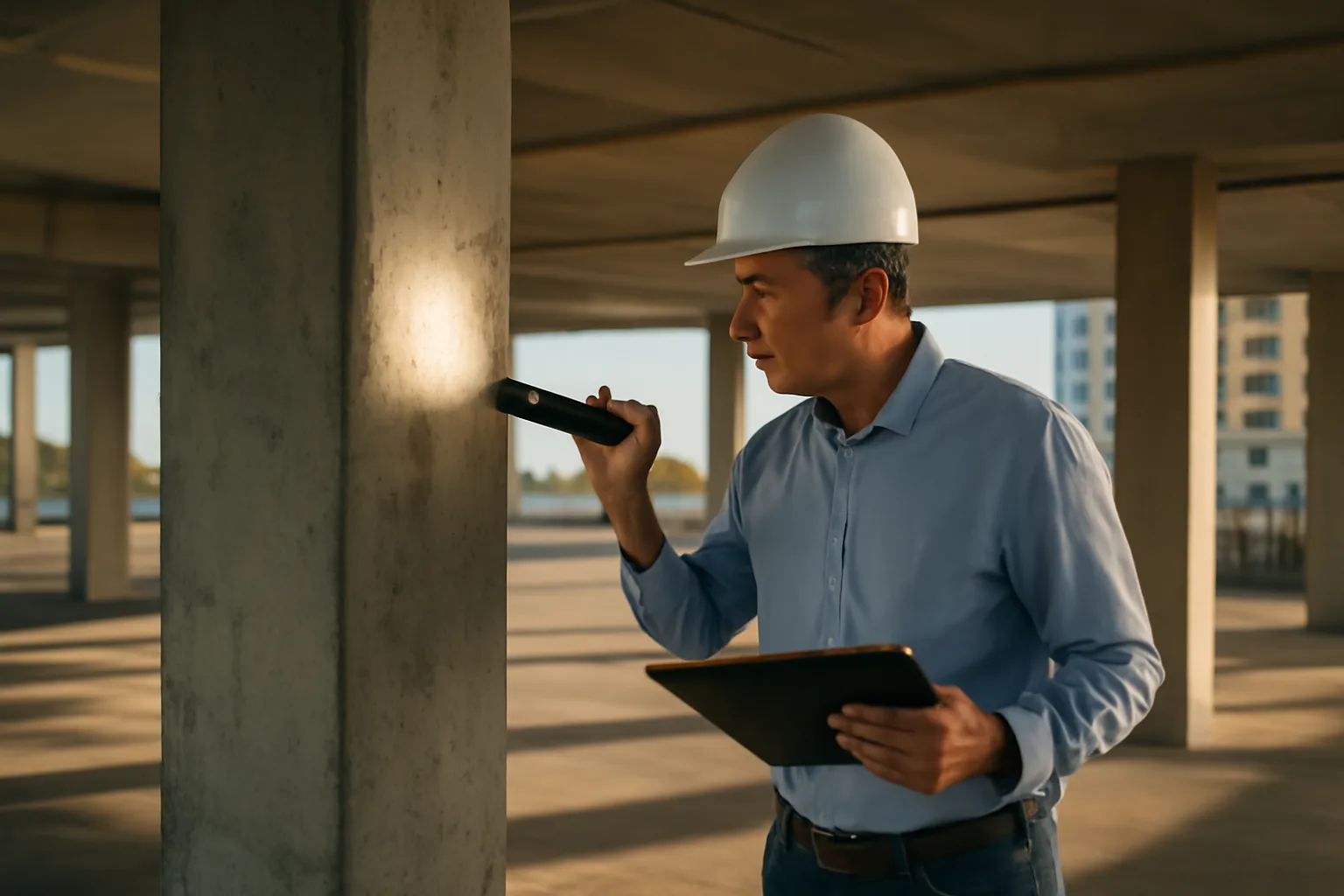
A reserve study is a two-part report. First, someone physically inspects the property and inventories every major common-area component: roofs, paving, pool decks, elevators, painting, structural elements, plumbing risers, and anything else the association is legally responsible to maintain. Second, the report estimates the remaining useful life of each item, what it will cost to repair or replace, and how much money the association needs to be setting aside each year to have that cash ready when the bill comes due. Think of it as a long-range maintenance budget with an inspection report attached. A good study gives you a component list, a remaining-life estimate for each item, current replacement cost, and a funding schedule showing what reserve contribution keeps the fund solvent 20 or 30 years out. Some studies also show a "percent funded" figure, comparing what's actually in the bank against what an ideal fully-funded reserve would look like at that point in time. Reserve studies are not unique to Florida or to condos. HOAs, co-ops, and homeowner associations across the country use them, though the legal requirement to have one, and to fund it a specific way, varies a lot by state and by property type. In Florida, condominium associations three stories and higher now face a mandatory version called a Structural Integrity Reserve Study, which is narrower and more technical than a generic reserve study. See our reserve study explainer for how the two overlap.
What is a reserve study for an HOA?
For a homeowners association (as opposed to a condo), a reserve study covers the common elements the HOA itself owns and maintains, not individual units. That usually means things like the clubhouse roof, community pool, private roads, retention ponds, gates, fencing, and shared recreational facilities. If your HOA doesn't own a pool or clubhouse, the study will be much shorter and cheaper than one for a high-rise condo tower. Florida's SIRS requirement in Fla. Stat. 718.112 applies to condominiums, not to homeowners associations generally. HOAs in Florida are governed more by Chapter 720, and as of the last major legislative session, most single-family and townhome HOAs are not required to complete a state-mandated structural reserve study the way condos are. That said, plenty of HOA boards commission a voluntary reserve study anyway, because underfunded reserves are the single biggest cause of surprise special assessments in any type of association, condo or not. If your association is an HOA wondering whether Florida law forces you into a formal study, the honest answer is: probably not under the SIRS statute, but confirm with your association's counsel, because bylaws and declarations sometimes impose their own funding requirements that are stricter than state law. Our hoa reserve study page walks through that distinction in more detail.
What is an HOA assessment?
An HOA assessment is a fee the association charges each owner to fund shared expenses. There are two basic kinds. A regular (or annual) assessment is the recurring dues every owner pays, usually monthly or quarterly, covering operating costs like landscaping, insurance, management fees, and reserve contributions. A special assessment is a one-time (or limited-run) extra charge, levied when the regular budget and reserves can't cover a specific need, like a roof replacement that comes in over budget or storm damage the insurance doesn't fully cover. Assessments are set by the board (sometimes with a membership vote required for large special assessments, depending on the governing documents) and are legally binding once properly noticed and adopted. Owners generally can't opt out. Non-payment can lead to a lien on the unit and eventually foreclosure, the same as unpaid dues. A well-funded reserve is really the tool that keeps regular assessments predictable and special assessments rare. Boards that skip reserve funding for years, hoping to keep dues low, tend to eventually hit a wall where a huge special assessment is the only option left.
How much should an HOA have in reserves?
There's no single dollar figure that works for every HOA, because it depends entirely on what the association owns and how old those assets are. The right framework isn't a flat number, it's "percent funded," meaning how much cash is on hand compared to what the reserve study says should be on hand at this point in each component's life cycle. Industry practitioners (reserve study firms and community association groups) generally describe funds under about 30% funded as "weak" and at meaningful risk of a special assessment, and funds above 70% as "strong." There's no federal or Florida statutory percentage-funded threshold that applies across the board to HOAs; those benchmarks come from industry practice, not law, so treat them as a planning guide rather than a legal requirement. For Florida condominiums under the SIRS rules, the math is more concrete for the components the statute covers (roof, structure, waterproofing, electrical, plumbing, load-bearing walls, and similar items): the board must reserve based on the actual estimated replacement cost identified in the SIRS, not an arbitrary percentage, and the days of voting to waive or reduce those specific reserves are gone for buildings subject to the law [1]. For everything else, an HOA board's best move is to get an actual study done and fund toward whatever number that report recommends, phased in over a few years if a sudden 100% jump isn't realistic.
How much does a reserve study cost?
| Small HOA, no amenities | $3,000-$5,000 | |
|---|---|---|
| HOA with pool/clubhouse | $5,000-$10,000 | |
| Mid-rise condo (3-7 stories) | $6,000-$12,000 | |
| High-rise condo, full SIRS | $10,000-$20,000+ | These are general ranges pulled from industry pricing patterns, not a government fee schedule; get at least two or three quotes from licensed providers for your specific building before budgeting. A full update (new on-site inspection) every 3-5 years is common practice, with a cheaper "no-site-visit" update in between years. For Florida condos under SIRS, the statute requires the inspection portion to be done by a licensed engineer or architect [1], and the underlying milestone inspection has its own separate cost and timeline that a lot of boards mistakenly bundle together with reserves. See milestone inspections if you're not sure which deadline you're actually facing. |
Cost depends heavily on property size, number of components, and whether you need a full on-site engineering inspection or a simpler desktop update. As a rough range that shows up consistently across reserve-study industry pricing guides and association budgets: a basic reserve study for a small HOA (under 100 units, few amenities) often runs $3,000 to $6,000. A larger property with a pool, clubhouse, multiple buildings, and more components can run $6,000 to $12,000 or more. High-rise condos needing a full structural SIRS inspection, which requires a licensed engineer or architect under Florida law, often land in the $10,000 to $20,000+ range depending on building height, unit count, and how much structural investigation is needed [1]. | Property type | Typical reserve study cost |
What is a reserve study used for, practically?
A board uses the study to set next year's budget line for reserve contributions, to decide whether a special assessment is coming, and to answer buyer and lender questions during a unit sale. Fannie Mae's Selling Guide requires lenders to review a condo project's reserve funding and budget adequacy as part of project eligibility review, so a stale or missing study can actually complicate financing on a unit in the building [2]. A study also protects the board legally. If an owner sues over a special assessment, having a documented, professionally prepared reserve study showing the board acted on real numbers, rather than guessing, is a meaningful defense. Boards that ignore their own study's funding recommendation for years and then get hit with a huge unplanned assessment put themselves in a much weaker position if that decision gets challenged. Finally, the study is the backbone of the association's long-term financial plan. Annual budgets, dues increases, and special assessment votes all should trace back to what the reserve study says is needed and when.
What's the difference between a reserve study and a milestone inspection or SIRS?
These three things get confused constantly, and they are not the same thing, though they're related. A milestone inspection is a one-time structural inspection required for Florida condo and co-op buildings three stories or taller, due at 30 years of age (25 years if within three miles of the coast), and every 10 years after, per Fla. Stat. 553.899 [3]. It answers one question: is the building structurally sound right now. A Structural Integrity Reserve Study (SIRS) is a Florida-specific reserve requirement under Fla. Stat. 718.112(2)(g), required for condo buildings three stories and up, that forces the association to reserve fully (no waiving or underfunding) for a defined list of structural and life-safety components: roof, load-bearing walls, primary structural members, floor, foundation, fireproofing/fire protection, plumbing, electrical, waterproofing, and any item over $10,000 the report identifies [1]. It must be based on a visual inspection performed at least every 10 years by a licensed engineer or architect [1]. A generic reserve study is the broader, non-mandatory (for most HOAs) financial planning document covering all the association's components, structural and cosmetic alike; roofing, paving, painting, pool equipment, the works. A condo can technically do both a SIRS and a full reserve study in one combined engagement, and many boards choose that route for efficiency, but the legal requirements are separate. Confirm with your association's counsel which deadlines actually apply to your building before assuming one report covers everything.
Are HOA special assessments tax deductible?
For most owners of a personal residence, no, a special assessment for capital improvements (a new roof, repaved streets, a rebuilt structural element) is not tax deductible in the way regular mortgage interest or property tax might be. The IRS treats a special assessment for a capital improvement as an addition to your cost basis in the property rather than a deductible expense, meaning it can reduce your taxable gain when you eventually sell, but it doesn't give you an immediate deduction the year you pay it [4]. There's an important exception: if the unit is a rental property or otherwise used for business, special assessments related to repairs and maintenance may be deductible as a business expense in the year paid, while assessments for capital improvements to a rental are typically depreciated over time rather than deducted all at once. IRS Publication 527 covers rental property expenses and depreciation rules in more detail [4]. This is genuinely a tax question, not an association-law question, and the right answer depends on your specific situation (primary residence versus rental, size of assessment, what it was for). Talk to a CPA before assuming either way, and don't rely on a board member's guess about deductibility when you're filing.
How do you fund a reserve study's recommendations without wrecking the budget?
Most boards phase it in. If a study reveals the reserve fund is severely underfunded, jumping straight to 100% of the recommended contribution in one year is rarely realistic and can trigger owner backlash or even non-payment. A more common approach is a multi-year ramp: increase the reserve contribution by a set percentage each year until the fund reaches the target funding level, often over 3 to 5 years. For Florida condos under SIRS, though, that flexibility disappears for the specific components the statute covers. Since the 2022 and 2023 legislative changes, associations subject to SIRS cannot vote to waive or use pooled/underfunded reserves for those structural items, they must fund based on actual estimated costs [1]. That's a hard change from the old system where owners could vote every year to keep reserves lower. If your building falls under this rule, the reserve line in next year's budget is largely locked in by the study's numbers, not by what feels affordable, so getting ahead of it with a phased 2-3 year budget plan is smarter than waiting for the deadline. Some legislative relief has passed since the original 2022 law tightened things (adjusting timelines and some funding flexibility for certain associations), so check the current version of Fla. Stat. 718.112 and any relief provisions before assuming last year's rules still apply. Our florida condo reserve fund relief page tracks the more recent changes.
Who actually performs a reserve study, and how often does it need updating?
Reserve studies are typically prepared by specialized reserve-study firms, often staffed by credentialed reserve specialists (a common designation is the Reserve Specialist, RS, or Professional Reserve Analyst, PRA, credentials tracked by industry associations). For the Florida SIRS specifically, though, the visual inspection portion must be performed by a licensed engineer or architect, not a generic reserve consultant, because the statute requires that professional license [1]. Full, on-site updates are typically recommended every 3 to 5 years for a general reserve study, with lighter desk-review updates in the off years to adjust for inflation and any changes in the property. For Florida's SIRS, the statute sets the inspection cycle at a minimum of every 10 years [1], though nothing stops a board from doing it more often if conditions warrant, especially after a major storm or if components are aging faster than expected. When hiring, confirm the engineer or architect holds an active Florida license. The Department of Business and Professional Regulation maintains the statewide licensee verification system for all licensed professions, including engineers, at myfloridalicense.com, and it's the same database the Florida Board of Professional Engineers relies on for license status checks. Ask for sample reports from similarly sized buildings before signing a contract, too.
What happens if a Florida condo board just skips the reserve study or SIRS?
Skipping it isn't really an option anymore for condos three stories and up. Fla. Stat. 718.112 requires the SIRS and requires associations to provide it to unit owners, and Fla. Stat. 718.501 gives the Division of Florida Condominiums, Timeshares, and Mobile Homes authority to investigate complaints and take enforcement action against associations that violate chapter 718, which can include fines [5]. Beyond the legal exposure, skipping the study just delays the inevitable bill, usually making it bigger, because deferred maintenance tends to get more expensive, not less, the longer a board waits. Boards also open themselves up to real liability. If a structural failure happens (or even a lesser but expensive failure like a roof leak causing widespread damage) and it comes out that the board never did the required inspection or reserve study, that's a rough position to defend in a lawsuit or in front of angry owners at the next meeting. This is exactly the kind of deadline-tracking problem a lot of small volunteer boards struggle with, since most directors have full-time jobs and aren't tracking statute amendments for a living. A $199 one-time Board Compliance Kit (boarddeadline.com/board-kit-builder) is built around exactly this: it takes your building's age, height, and location and generates the specific deadline calendar and document checklist for milestone inspections and SIRS, so the board isn't guessing which statute section applies or when the next filing is due. It doesn't replace the licensed engineer or the reserve study firm; it organizes what they produce and keeps the board on schedule.
What should a board do with the reserve study results?
Once the report lands, the board's job is to review it with the property manager and, ideally, association counsel, then translate the recommended funding schedule into next year's budget. Fla. Stat. 718.111(12) requires associations to make official records, including reserve studies and financial reports, available to unit owners for inspection, so transparency here isn't optional [1]. A smart board also uses the study to plan communication. If the numbers show a special assessment is likely in 2-3 years, telling owners now, with the reasoning and the study attached, goes a lot further than a surprise vote later. Nobody likes a special assessment, but nobody likes finding out about one with no warning even less. Finally, put a reminder on the calendar for the next update cycle before you close the file. Reserve studies expire in relevance fast; a report from 2019 that never got updated is close to useless in a 2026 budget meeting, and Florida's SIRS statute has its own re-inspection clock running independently of your general reserve study cycle [1].
Frequently asked questions
What is a reserve study?
A reserve study is a professional inspection and financial report that inventories an association's major common-area components (roofs, paving, pools, structural elements), estimates each one's remaining life and replacement cost, and recommends how much the association should be saving each year to cover those future costs without a surprise special assessment.
What is a reserve study for an HOA specifically?
For a homeowners association, a reserve study covers the shared assets the HOA owns, like a clubhouse, private roads, pool, or retention ponds, rather than individual homes. Florida's mandatory SIRS rule under Fla. Stat. 718.112 applies to condominiums, not general HOAs, though many HOA boards do a voluntary study anyway to avoid underfunded reserves.
What is an HOA assessment?
An HOA assessment is a fee owners pay to fund shared association expenses. Regular assessments are the recurring dues covering operating costs and reserve contributions; special assessments are one-time extra charges levied when the budget or reserves can't cover a specific need, like storm damage or a roof replacement over budget.
How much should an HOA have in reserves?
There's no fixed dollar figure; the right benchmark is percent funded, meaning cash on hand versus what the reserve study says should be saved at this point in each component's life. Industry practice generally flags funds under about 30% funded as weak and over 70% as strong, though this isn't a Florida statutory threshold for HOAs generally.
How much does a reserve study cost?
Typical costs run $3,000 to $6,000 for a small HOA with no amenities, $5,000 to $10,000 for a property with a pool or clubhouse, and $10,000 to $20,000 or more for a high-rise Florida condo needing a full engineer-inspected Structural Integrity Reserve Study (SIRS). Get multiple quotes since pricing varies by firm and building complexity.
Are HOA special assessments tax deductible?
Generally no, for a personal residence. The IRS typically treats a special assessment for a capital improvement as an addition to your cost basis rather than a deductible expense, per IRS Publication 527 guidance on rental and property expenses. Rental property owners may have different, sometimes more favorable, treatment. Confirm with a CPA.
What's the difference between a reserve study and a SIRS?
A reserve study is a general financial planning report covering all major components of a property. A SIRS (Structural Integrity Reserve Study) is a Florida-specific requirement under Fla. Stat. 718.112 for condos three stories and up, covering a defined list of structural and life-safety items, with mandatory full funding and no waiver option.
Who is required to do a reserve study or SIRS in Florida?
Florida condominium and cooperative associations with buildings three stories or higher must complete a SIRS, inspected by a licensed engineer or architect, under Fla. Stat. 718.112(2)(g). Homeowners associations generally aren't covered by this specific statute, though governing documents may impose their own reserve requirements. Confirm applicability with your association's counsel.
How often does a reserve study need to be updated?
General reserve studies are typically updated with a full on-site inspection every 3 to 5 years, with lighter interim updates in between. Florida's SIRS statute requires a re-inspection at least every 10 years, though a board can order one sooner after a major storm or if components show unexpected wear.
Can a Florida condo association still waive reserve funding?
For the specific structural components covered by SIRS (roof, load-bearing walls, plumbing, electrical, and similar items), no. Since recent legislative changes to Fla. Stat. 718.112, associations subject to SIRS cannot vote to waive or underfund those reserves; they must budget based on the study's actual estimated costs.
What happens if my association skips the required reserve study?
For Florida condos three stories and up, skipping the SIRS violates Fla. Stat. 718.112, and the Division of Florida Condominiums, Timeshares, and Mobile Homes has enforcement authority under Fla. Stat. 718.501 that can include fines against the association or board. Beyond legal risk, deferred maintenance from skipping the study usually gets more expensive over time, not less.
Does a reserve study affect a condo's ability to sell units or get financing?
Yes, increasingly. Fannie Mae's Selling Guide requires review of a condo project's budget and reserve adequacy as part of loan eligibility, and lenders following those standards often ask about SIRS compliance status before approving a loan on a unit. A missing or outdated reserve study can slow down or complicate sales in the building.
Sources
- Florida Senate, Florida Statutes Chapter 718.112: SIRS requirements, funding rules, licensed professional inspection requirement, and records access for Florida condo associations
- Florida Senate, Florida Statutes 553.899: Milestone inspection requirement at 30 years (25 years if within 3 miles of coast) for buildings 3 stories and up
- Internal Revenue Service, Publication 527 (Residential Rental Property): Tax treatment of special assessments as capital improvements versus deductible rental expenses
- Florida Senate, Florida Statutes 718.501 (Division of Florida Condominiums, Timeshares, and Mobile Homes): State division's investigative and enforcement authority over condo association compliance violations
- Fannie Mae Selling Guide, B4-2.2-02 (Full Review Process for condo projects, budget and reserve requirements): Lender review of condo project reserve funding and budget adequacy as part of loan eligibility