Last updated 2026-07-25
TL;DR
A reserve study specialist inspects a building's components, estimates their remaining life and replacement cost, and produces a funding schedule. Florida condos over three stories must get a structural version (SIRS) from a licensed engineer or architect. Studies typically run $3,000 to $20,000+ depending on building size and complexity, per Fla. Stat. 718.112 and 553.899.
What is a reserve study?
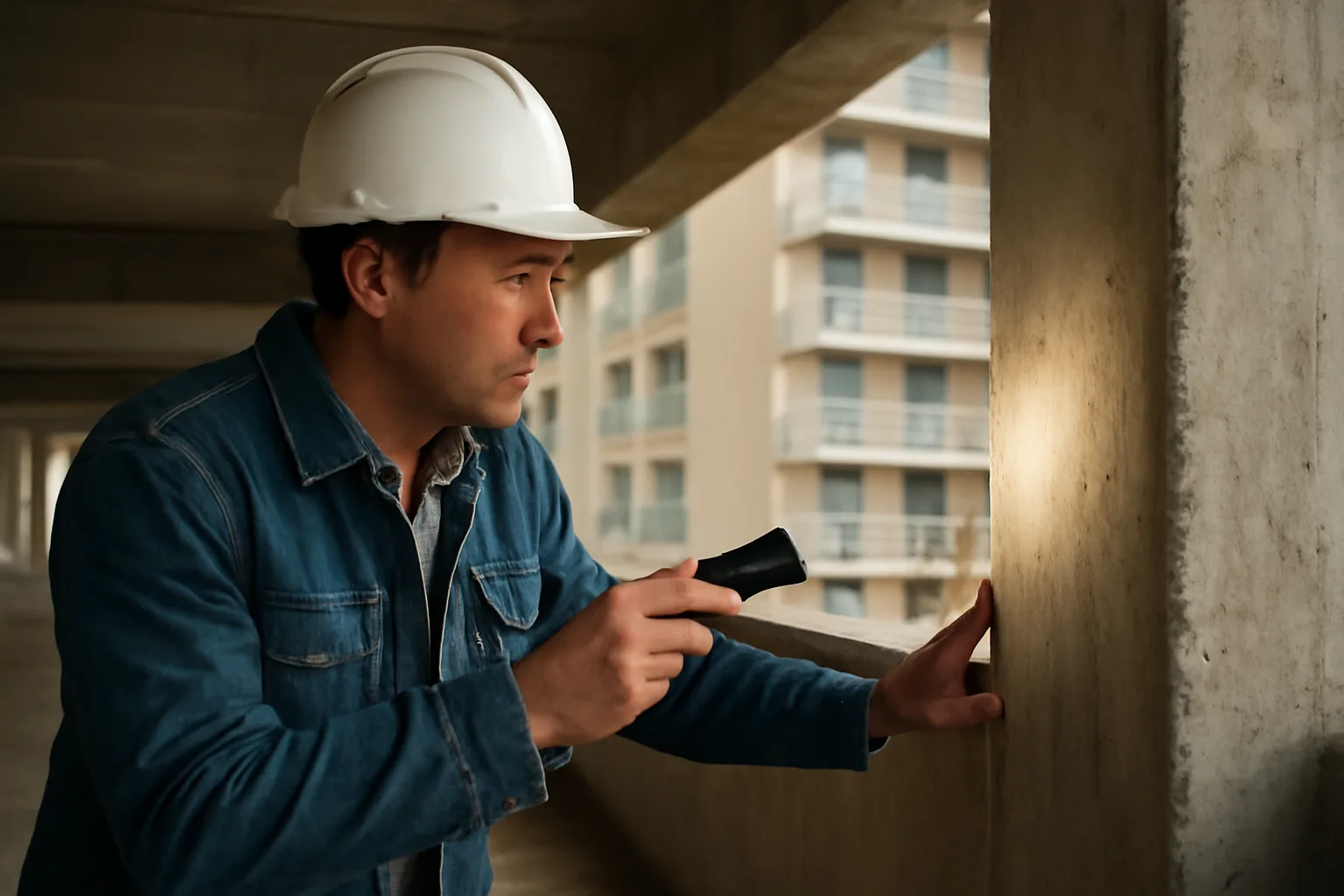
A reserve study is a physical inspection and financial forecast rolled into one document. A specialist walks the property, catalogs the major components (roof, paving, painting, elevators, structural elements, and for condos in Florida, load-bearing walls, roofs, and other items named in statute), estimates how many years each has left, and prices out replacement. Then they build a funding schedule showing what the association should be setting aside each year so the money is there when the roof actually needs replacing. Think of it as a maintenance forecast married to a savings plan. Good ones run 20 to 30 years out. Bad ones are a spreadsheet somebody printed off in an afternoon without ever climbing on the roof. In Florida, two very different animals get called "reserve studies" and boards mix them up constantly. There's the traditional financial reserve study, which any qualified preparer can do and which covers a wide list of components. And there's the Structural Integrity Reserve Study (SIRS), a narrower, statutorily defined study required for condo buildings three stories and up, which must be performed by a licensed engineer or architect and covers a specific list of structural items [1].
What is a reserve study for an HOA?
For a homeowners association (not a condo), a reserve study serves the same basic purpose: figure out what shared components will need replacing and when, then price it. HOAs typically reserve for things like private roads, retention ponds, clubhouse roofs, pool equipment, gates, and irrigation systems, not vertical building structure the way condos do. Florida law doesn't impose a SIRS requirement on HOAs the way it does on condos over three stories. HOA reserve funding is governed more loosely under Chapter 720, and many HOA declarations let the board waive or reduce reserves by member vote each year. That's a meaningful difference from post-2022 condo law, where SIRS reserves for condos cannot be waived or pooled once required [1]. Boards sometimes assume "no legal requirement" means "no need." That's a mistake. An HOA with a 20-year-old private road system and zero road reserves is one bad winter away from a special assessment nobody budgeted for. A reserve study specialist for an HOA does the same forecasting work a condo study does, just against a different component list and without the same statutory teeth. For more on how these funding rules differ by structure type, see our HOA reserve study guide.
What is an HOA assessment, and what are HOA assessments generally?
An HOA assessment is a fee the association charges owners to fund shared expenses. Most people only encounter the term "assessment" in two flavors: the regular assessment (the recurring dues that cover operating costs and reserve contributions) and the special assessment (a one-time or short-term charge levied when the regular budget can't cover something, like an emergency repair or a reserve shortfall). Regular assessments are supposed to include a reserve component under a properly funded budget. When boards underfund reserves for years (which happens constantly, because nobody likes raising dues), the gap eventually has to get closed somehow. That's usually a special assessment, and it's usually much larger and much less popular than steady annual increases would have been. For Florida condos, Section 718.112(2)(f) spells out how reserve assessments get calculated and that they're based on the reserve study or the statutory formula, and that funds collected for reserves are restricted, they can't just get redirected to cover a landscaping overrun [1]. If your board is staring down a shortfall, our HOA special assessment explainer walks through the mechanics and notice requirements.
How much should an HOA (or condo) have in reserves?
There's no single dollar figure, and anyone who gives you one without asking about your building is guessing. The honest answer is: enough to cover 100% of the reserve study's projected funding requirement for each component, allocated across its remaining useful life. For Florida condos, the framework changed substantially after the Champlain Towers South collapse in Surfside. Under the law passed in the wake of that disaster (SB 4-D, now codified largely in Section 718.112), condo associations three stories or higher must complete a SIRS and then fund reserves for the SIRS-covered components at 100%, with no more waiving or pooling those specific reserves starting with the first fiscal year after the SIRS is due (December 31, 2024, for most buildings) [1] [2]. A rough industry rule of thumb some reserve specialists use for percent funded is that anything below 30% funded is considered "weak" and increases special assessment risk, while 70% or higher is considered well funded. That's an industry convention, not a statutory line, and it comes from reserve-study practitioner guidance rather than Florida law, so treat it as a planning heuristic, not a legal threshold. What actually matters more than a percentage is whether your study reflects real, current replacement costs. A study built on 2019 concrete and roofing prices is nearly useless in 2026 after years of construction cost inflation. Get it updated, don't just trust the old number.
How much does a reserve study cost?
| Basic HOA reserve study (no-visit / update) | $1,500-$4,000 | Reserve study firm | |
|---|---|---|---|
| Full financial reserve study, on-site inspection | $3,000-$8,000 | Reserve specialist / RS | |
| Condo SIRS (3+ stories, statutory) | $6,000-$20,000+ | Licensed engineer or architect | |
| Milestone structural inspection (separate from SIRS) | $10,000-$50,000+ | Licensed engineer or architect | These ranges are broad because a 40-unit low-rise and a 300-unit oceanfront tower are not the same job. A specialist has to physically access roofs, mechanical rooms, parking structures, and sometimes unit interiors, and that takes time regardless of a flat per-unit rate. Coastal buildings often cost more because of added scrutiny on waterproofing, balconies, and corrosion. DBPR, which licenses community association managers and oversees condo compliance in Florida, doesn't set or cap reserve study fees; pricing is a private market between the association and the licensed professional [3]. Get at least two or three quotes and ask each firm exactly what's included, on-site inspection versus a desk update, number of components covered, and whether the report includes both the physical assessment and the funding plan or just one. |
Costs vary widely based on building size, number of components, and whether you need a full-blown SIRS with engineering stamps versus a standard financial reserve study. | Study type | Typical cost range | Who performs it |
How do I find a qualified reserve study specialist in Florida?
For financial reserve studies, look for someone with a Reserve Specialist (RS) designation from the Community Associations Institute (CAI) or a Professional Reserve Analyst (PRA) credential from the Association of Professional Reserve Analysts (APRA). Neither credential is legally mandatory in Florida for a standard reserve study, but they signal the preparer follows a recognized methodology rather than winging it. For SIRS work, the requirement is not optional and not a matter of preference. Florida Statute 718.112(2)(g) requires the SIRS be performed by a licensed engineer or architect [1]. Verify any engineer or architect's license status directly through DBPR's license search before signing a contract [3]. Ask any candidate three things upfront: how many Florida condo or HOA properties have they studied in the past two years, do they carry professional liability insurance, and will the final report include a year-by-year funding schedule (more than a snapshot of current reserve balances). A specialist who can't produce a sample report from a comparable building is a red flag.
What's the difference between a milestone inspection and a SIRS?
They're related but not the same document, and boards conflate them constantly. The milestone inspection (Section 553.899, Florida Statutes) is a structural safety inspection triggered at 30 years of building age (25 years if within three miles of the coast), and again every 10 years after, for buildings three stories or more [4]. It answers one question: is the building structurally sound right now? The SIRS is a forward-looking funding study. It looks at the same categories of structural components (largely) but asks a different question: what will it cost to maintain and eventually replace these components, and how much should we be reserving annually? Some engineering firms bundle the two into one engagement since they overlap on inspection work, which can save money, but they serve separate statutory purposes and Florida law requires both, on their own timelines, for qualifying condos [1] [4]. If your building is approaching either deadline, our reserve study page breaks down the filing sequence, and our reserve study for condo association guide covers the condo-specific documentation trail in more depth.
Are HOA special assessments tax deductible?
Generally, no, not for individual owners paying personal income tax, and this trips up a lot of boards fielding angry owner questions after a big assessment hits. The IRS treats HOA assessments, regular or special, as a personal, nondeductible expense in most cases, similar to how regular home maintenance isn't deductible [5]. There are narrow exceptions. If part of a special assessment funds a capital improvement to a home used partly for rental or business purposes, that portion may be depreciable or deductible as a business expense, subject to the usual IRS rules on capital improvements versus repairs. If the assessment relates to a casualty loss in a federally declared disaster area, there may be a separate casualty loss deduction path, but that's a specific, limited provision, not a general assessment write-off [6]. This is genuinely a tax question, not a board-operations one, and the honest answer for most owners is "talk to a CPA before you assume anything is deductible." Boards should not represent to owners that an assessment is or isn't deductible; that's outside a board's role and outside what a management company should be advising on.
How does a reserve study connect to my board's compliance calendar?
A reserve study or SIRS is only useful if the board actually acts on the deadlines it creates: budget votes, member notices, contractor procurement, and the recurring update cycle (SIRS visual inspections are required every 10 years, and boards commonly commission funding updates every 3-5 years even without a statutory trigger). Missing a notice deadline or forgetting to bring the SIRS-based reserve line item to a budget vote is a paperwork failure, not a structural one, but it's the kind of failure that generates owner lawsuits and DBPR complaints. This is where a lot of volunteer boards lose the thread: the engineer does great work, then the report sits in a drive folder while nobody schedules the next step. This is the kind of scheduling and document-tracking work our $199 Board Compliance Kit is built for. It doesn't replace your engineer or your reserve specialist, and it can't interpret your governing documents or tell you whether your reserve funding meets every statutory requirement. What it does is organize the deadlines the statute creates around your building's age and coastal location, so the milestone inspection window, the SIRS due date, and the reserve funding vote don't slip through the cracks between board meetings.
What happens if a Florida condo skips or delays its reserve study?
Consequences stack up in layers. First, the practical layer: without a current reserve study, the board has no defensible basis for its reserve line items, and any owner who challenges the budget at a meeting has a legitimate point. Second, the statutory layer: condos required to complete a SIRS that don't do so by the deadline are out of compliance with Section 718.112, which can expose the board to owner litigation and complicates insurance renewal and unit resale, since many lenders and title companies now ask for SIRS status before closing [1] [2]. Third, there's a market layer that isn't in the statute at all but is very real: buyers, lenders, and insurers increasingly treat a missing or stale SIRS as a red flag regardless of what the law technically requires by that exact date. Units in buildings without current studies have reportedly taken longer to sell and faced financing friction, though this is anecdotal market behavior rather than a tracked statistic, so treat it as directional, not a hard number. Boards that fall behind should talk to association counsel immediately about the specific compliance posture and any extension or phase-in provisions that may apply, since the legislature has adjusted deadlines and funding phase-in rules more than once since 2022 and may do so again [2]. Confirm current requirements with your association's counsel and county before making representations to owners.
Reserve study specialists vs. milestone inspection engineers: who does what
| Reserve study specialist (financial) | RS/PRA credential common, not legally mandated | Component inventory + funding schedule | Fla. Stat. 718.112(2)(f) | |
|---|---|---|---|---|
| SIRS preparer | Licensed engineer or architect | Structural inspection + reserve funding schedule for named components | Fla. Stat. 718.112(2)(g) | |
| Milestone inspection engineer | Licensed engineer or architect | Structural safety report (phase 1/phase 2) | Fla. Stat. 553.899 | A single engineering firm can, and often does, perform both the milestone inspection and the SIRS, since the site access and much of the visual inspection overlap. That can genuinely save the association money on mobilization costs. But a standard financial reserve study covering non-structural items (paving, painting, pool equipment) doesn't require an engineer or architect at all, so paying engineer rates for that portion is often wasted money. Ask any firm quoting a bundled price to break out which parts require a licensed engineer's stamp and which don't. |
Boards often assume one firm handles everything, and sometimes one firm does, but the roles are distinct enough to be worth separating out. | Role | Credential required | What they produce | Statutory basis |
What should be in the reserve study report itself?
A complete report should include, at minimum: a physical inventory of covered components with photos, estimated remaining useful life for each item, current replacement cost estimates (not costs from three years ago), a funding plan showing recommended annual contributions over at least 20-30 years, and the current reserve fund balance measured against the fully funded requirement. For SIRS specifically, Section 718.112(2)(g) lists required components: roof, load-bearing walls or other primary structural members, floor, foundation, fireproofing and fire protection systems, plumbing, electrical systems, waterproofing and exterior painting, windows, and any other item with a deferred maintenance expense or replacement cost exceeding $10,000 that would affect life safety or habitability [1]. A board reviewing a draft report should push back if any of this is missing, vague, or based on stale pricing. "The roof has 8 years left" without a stated replacement cost estimate isn't a funding plan, it's half a sentence.
Frequently asked questions
What is a reserve study in simple terms?
A reserve study is a professional inspection of a building's major shared components (roof, elevators, structural elements, paving) paired with a financial plan showing how much money the association needs to save each year so those components can be replaced without a surprise special assessment.
What is a reserve study for an HOA specifically?
For an HOA, a reserve study covers shared community assets like roads, retention ponds, clubhouse structures, and pool equipment rather than vertical building structure. It produces a funding schedule the board uses to set annual reserve contributions, though Florida law gives HOAs more flexibility to waive or reduce reserves by member vote than condos have.
What is an HOA assessment?
An HOA assessment is a fee charged to owners to fund association expenses. Regular assessments cover routine operating costs and reserve contributions on a recurring schedule. Special assessments are one-time or short-term charges levied when the regular budget can't cover an unexpected or underfunded cost.
How much should an HOA have in reserves?
There's no single dollar figure that applies to every property; it depends on your specific components and their replacement costs. The defensible target is 100% of what your current reserve study calculates as fully funded for each component, not an arbitrary percentage or a number pulled from another building's budget.
How much does a reserve study cost in Florida?
Standard financial reserve studies typically run $1,500 to $8,000 depending on property size and scope. A statutory SIRS for a Florida condo three stories or taller, which must be performed by a licensed engineer or architect, typically costs $6,000 to $20,000 or more depending on building complexity.
Are HOA special assessments tax deductible?
Generally no. The IRS treats most HOA assessments, including special assessments, as a nondeductible personal expense. Narrow exceptions may apply if the assessment funds a capital improvement on a rental or business-use property, or in specific federally declared casualty loss situations. Owners should confirm with a CPA before assuming any deduction applies.
Who is legally required to perform a SIRS in Florida?
Florida Statute 718.112(2)(g) requires the Structural Integrity Reserve Study be performed by a licensed engineer or architect, not a general reserve study firm without that license. Boards can verify a professional's license status through the Florida DBPR license search before hiring.
Does every Florida condo need a SIRS?
SIRS requirements apply to condominium buildings three stories or higher under Chapter 718. Buildings under three stories, and most homeowners associations, are not subject to the SIRS mandate, though boards should confirm applicability with association counsel since exemptions and phase-in rules have changed since the law's original 2022 passage.
What's the difference between a reserve study and a milestone inspection?
A milestone inspection (Fla. Stat. 553.899) is a structural safety check triggered at building age 25 or 30 depending on coastal proximity, answering whether the building is currently sound. A reserve study, including SIRS, is a forward-looking funding plan estimating replacement costs and timelines for major components.
Can an HOA waive its reserve requirements?
Many HOAs can waive or reduce reserve funding by a vote of the membership each year, depending on the association's declaration and Chapter 720 provisions. Florida condos subject to SIRS lost this waiver option for SIRS-covered components starting with the first fiscal year after the SIRS becomes due.
How often should a reserve study be updated?
SIRS visual inspections are required at least every 10 years under Florida condo law. Many reserve specialists recommend a funding update every 3 to 5 years even without a statutory trigger, since construction costs and component conditions change faster than a 10-year window captures.
What credentials should a reserve study specialist have?
For non-structural financial reserve studies, look for a Reserve Specialist (RS) designation from CAI or a Professional Reserve Analyst (PRA) credential from APRA. For SIRS work, Florida law requires a licensed engineer or architect; verify the license directly through DBPR before signing a contract.
Sources
- Florida Senate, Florida Statutes Section 718.112: SIRS component list, engineer/architect requirement, and reserve funding rules for Florida condos
- Florida Senate, SB 4-D (2022) summary and codification: Post-Surfside condo reserve reform requiring SIRS and 100% funding, with December 31, 2024 deadline for most buildings
- Florida DBPR, Division of Florida Condominiums, Timeshares, and Mobile Homes: DBPR oversight of condo compliance and license verification for engineers and architects
- Florida Senate, Florida Statutes Section 553.899: Milestone inspection age triggers of 25 years (coastal) and 30 years, and 10-year recurring requirement
- IRS, Publication 530, Tax Information for Homeowners: HOA assessments are generally a nondeductible personal expense, with narrow exceptions for business/rental use or casualty loss
- IRS, Publication 547, Casualties, Disasters, and Thefts: Casualty loss deduction provisions that may apply in limited federally declared disaster situations