Last updated 2026-07-24
TL;DR
Milestone inspection services are the licensed engineering and architectural inspections Florida condo and co-op buildings 3+ stories must get at 25 or 30 years (and every 10 years after), under Fla. Stat. 553.899. They're separate from SIRS reserve studies but the two reports work together to set your special assessment and reserve funding plan.
what is a milestone inspection, exactly
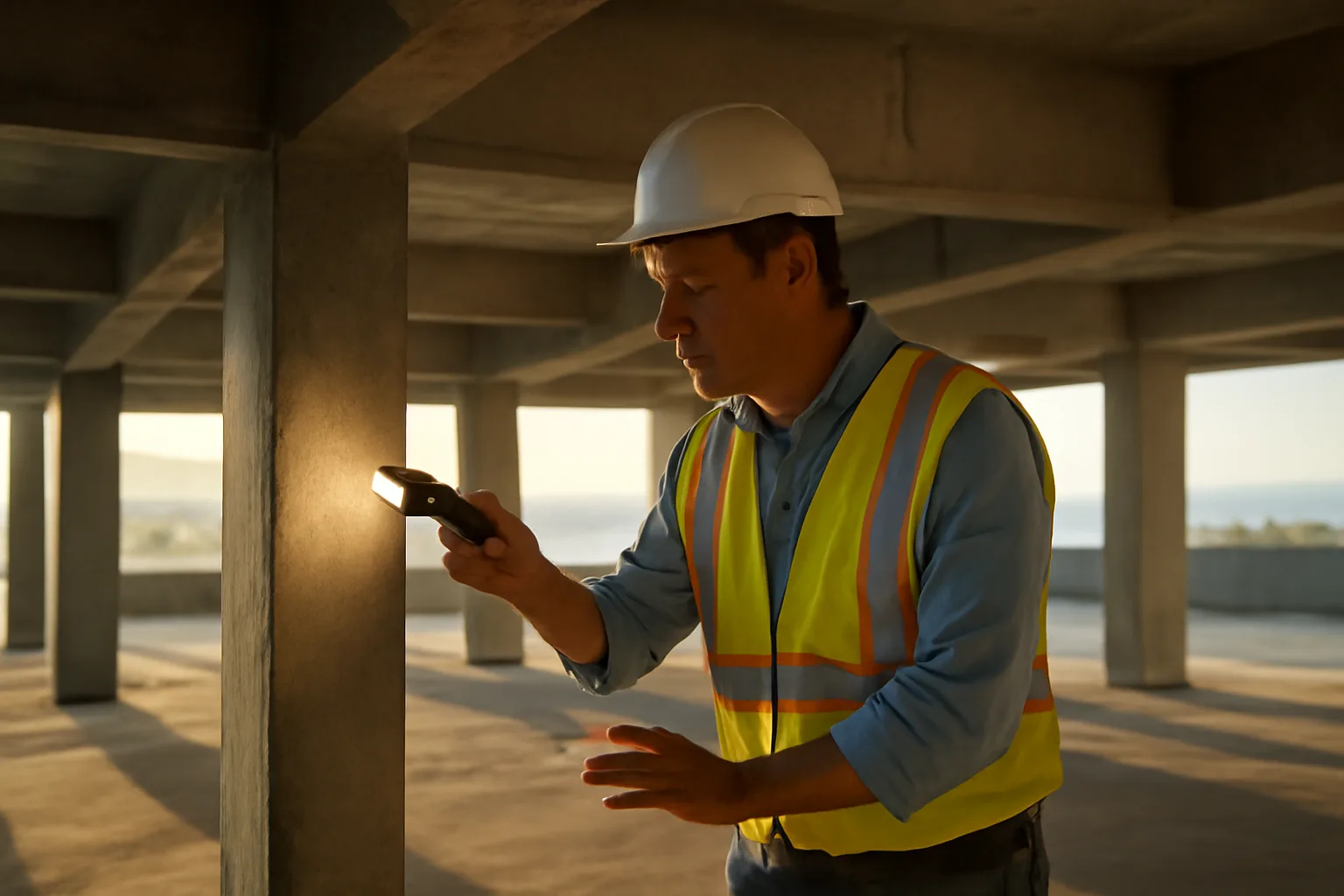
A milestone inspection is a structural inspection of a condo, cooperative, or (in some counties) multi-family building that's 3 stories or taller, done by a licensed Florida engineer or architect. Florida Statute 553.899 requires the first inspection when a building hits 30 years old, or 25 years old if it's within 3 miles of the coast, and then every 10 years after that. The law was passed in 2022 after the Champlain Towers South collapse in Surfside killed 98 people in June 2021. Before that collapse, Florida had no statewide requirement for periodic structural recertification outside of a few local programs (Miami-Dade and Broward counties had their own 40-year recertification rules going back to the 1970s). The inspection happens in two phases. Phase 1 is a visual survey of the building's structure, looking for signs of "substantial structural deterioration" (cracking, spalling concrete, corrosion, water intrusion damage). If the inspector doesn't find anything alarming, that's often the end of it. If they do find distress, the law requires a Phase 2 inspection, which can mean destructive or invasive testing (core samples, opening up walls or slabs) to figure out how bad the problem actually is [1]. The statute is specific about who can do this work: "a licensed engineer or architect authorized to practice in this state" [1]. You cannot have a general contractor or a property manager sign off on this. Florida's Board of Professional Engineers licenses and disciplines the engineers who perform this work, and the enabling statute for that board is Fla. Stat. 471.005, which defines who qualifies as a licensed engineer in the state [2].
which buildings actually need one
Any condominium or cooperative building in Florida that is 3 stories or more above ground level falls under the statewide milestone inspection requirement in Fla. Stat. 553.899. Single-family homes, duplexes, and most townhome-style HOAs (typically 1-2 stories, no shared structural elements) are not covered by this law. Height is measured from grade to the roof, and the statute counts parking garage levels and other stories in the calculation, which trips up a lot of boards who assume their building is shorter than it legally counts as. If you're not sure how your building is classified, your engineer or your local building official can tell you, and this is worth confirming early rather than guessing. The 25-year vs. 30-year distinction depends on proximity to the coast. Buildings within 3 miles of a coastline get the earlier 25-year trigger because salt air and moisture accelerate concrete and rebar deterioration. A building 10 miles inland with an otherwise identical age gets the full 30 years before the first inspection is due. Local governments can be stricter. Miami-Dade and Broward counties ran their own 40-year (and later 30-year) recertification programs long before the state law existed, and those local ordinances still apply on top of the state requirement in some cases. Always confirm with your building department, and confirm with your association's counsel and county, because local deadlines and paperwork requirements vary.
how do I know when my inspection is due
| First milestone inspection | 25 years | 30 years | |
|---|---|---|---|
| Repeat inspections | Every 10 years after | Every 10 years after | |
| Who performs it | Licensed FL engineer or architect | Licensed FL engineer or architect | Boards that miss the deadline risk having local building officials get involved, potentially issuing violations or, in serious cases, restricting occupancy until the inspection is done. |
Your milestone inspection deadline is based on your building's certificate of occupancy date, not your condo association's formation date or when the current owners bought in. Boards should pull the original CO from the county building department if they don't already have it on file. For a building that got its CO in 1994 and sits within 3 miles of the coast, the first milestone inspection would be due in 2019 under the 25-year rule, meaning many older coastal buildings are already past the initial deadline set by the 2022 law and need to catch up quickly. Fla. Stat. 553.899(3) directs local enforcement agencies to notify owners of buildings that meet the age threshold and to give notice of the inspection requirement [1]. After the first inspection, the cycle repeats every 10 years. So a 30-year-trigger building gets inspected at year 30, then again at year 40, year 50, and so on for the life of the structure. Here's a quick reference for the general timeline: | Building age at first inspection | Coastal (within 3 miles) | Inland |
what does a milestone inspection cost
Milestone inspection costs vary widely based on building size, age, and how much investigation is needed, and there's no single statewide fee schedule because the work is contracted individually with licensed engineering firms. Anecdotal ranges reported by Florida engineering firms and condo associations commonly fall between roughly $6,000 and $20,000+ for a Phase 1 inspection on a mid-size condo building, though very large or complex buildings can run higher. If the inspector finds problems requiring Phase 2 (invasive testing, core sampling, structural analysis), costs go up substantially, sometimes into the tens of thousands of dollars, because that phase can involve lab testing, additional site visits, and a more detailed engineering report. Nobody publishes a definitive statewide average because pricing depends on square footage, number of stories, parking structures, waterfront exposure, and which firm you hire. If a board is getting quotes and one comes in dramatically lower than the others, that's worth scrutinizing rather than celebrating. Ask what's actually included: is it a full structural walk-through with photo documentation, or a quick drive-by? This cost is separate from your SIRS reserve study cost, which typically runs a few thousand dollars depending on building size and component count. Some engineering firms offer to bundle both, which can save on travel and site-visit overlap, but the two reports serve different legal purposes and shouldn't be confused.
milestone inspection vs. SIRS: what's the difference
A milestone inspection and a SIRS (Structural Integrity Reserve Study) are two separate legal requirements that often get lumped together because they came out of the same 2022 legislative response to Surfside, but they answer different questions. The milestone inspection answers: is the building structurally sound right now? It's a point-in-time engineering assessment under Fla. Stat. 553.899, done every 10 years. The SIRS answers: how much money does the association need to save, and by when, to maintain and eventually replace major structural components? It's a financial planning document under Fla. Stat. 718.112(2)(g), and for most associations it's required to be updated at least every 10 years, with associations required to have completed one by December 31, 2024 under current law. A SIRS has to cover specific components: roof, load-bearing walls or other primary structural members, floor, foundation, fireproofing and fire protection systems, plumbing, electrical, waterproofing and exterior painting, and windows and exterior doors [3]. If your milestone inspection turns up structural problems, that finding often needs to feed directly into your SIRS numbers, because a deteriorating structural member is exactly the kind of thing the reserve study is supposed to be funding for. Boards sometimes assume one report satisfies both requirements. It doesn't. You need both, from qualified professionals, and they need to talk to each other. For more on the reserve side specifically, see our guide to what a reserve study for condo association buildings needs to cover.
what is a reserve study for an hoa or condo
A reserve study is a professional assessment that looks at every major shared component in your building or community (roof, paving, pool, elevators, structural elements) and estimates two things: how much it will cost to repair or replace each item, and when that cost is likely to hit. It gives your board a multi-year funding plan instead of a guess. For Florida condominiums 3 stories or taller, the SIRS version of this study is a legal requirement under Fla. Stat. 718.112(2)(g), and it has to be prepared by a licensed engineer or architect, or in some cases a reserve specialist recognized under the statute, and must include a visual inspection [3]. For a standard, non-SIRS reserve study (the kind many HOAs and smaller condo associations use even without a legal mandate), the components covered and the format are more flexible, but the goal is the same: avoid getting blindsided by a $2 million roof replacement nobody saved for. A good reserve study typically includes: an inventory of components with useful life and remaining life estimates, current replacement cost estimates, and a funding schedule showing what the association should be contributing annually. Our hoa reserve study guide breaks down what a non-condo HOA specifically needs to look for.
how much does a reserve study cost
Reserve study costs in Florida typically range from about $1,500 to $8,000+ depending on the size of the property, the number of components inventoried, and whether the study includes an on-site visual inspection versus a desktop update using prior data. A small HOA with a handful of shared amenities will land on the low end. A large high-rise condo with elevators, a parking garage, a pool, and extensive structural components will cost more, especially for a full SIRS that requires an engineer's visual inspection under Fla. Stat. 718.112(2)(g). Some firms offer a lower-cost "update" every few years between full studies, which adjusts numbers for inflation and construction cost changes without a full re-inspection. That can be a reasonable way to keep numbers current between full studies, but check what your governing documents and the statute actually require before assuming an update alone satisfies your SIRS obligation. As with milestone inspections, get more than one quote. Ask specifically whether the fee includes a site visit, how many components will be itemized, and whether the deliverable meets the SIRS component list required by statute, more than a generic reserve template.
how much should an hoa have in reserves
There's no single dollar figure or percentage that Florida law requires for HOA reserves generally (the SIRS funding mandate applies specifically to condos and co-ops 3+ stories, not to most single-family HOAs). The honest answer is: enough to cover your reserve study's projected funding schedule for each component, which is different for every property. For SIRS-covered condo associations, the practical target set by statute is "full funding" for the required structural components, meaning no more waiving or underfunding structural reserves for roof, load-bearing walls, floors, foundation, fireproofing, plumbing, electrical, waterproofing, and windows/doors [3]. Associations can no longer vote to waive these specific reserves the way many did in the past. For non-SIRS reserves and general HOA reserves, industry guidance (from reserve study firms and organizations like the Community Associations Institute) commonly suggests targeting a "percent funded" figure, comparing what you have on hand to what your reserve study says you should have at this point in each component's life cycle. There's honest debate in the industry about what percentage is "safe": some practitioners consider 70% funded reasonably healthy, others push for closer to 100%. Nobody has a single authoritative number that applies to every property, and your board's real answer comes from your own reserve study's schedule, not a generic rule of thumb.
what is an hoa assessment and how is it different from a special assessment
An HOA assessment is the regular fee owners pay, usually monthly or quarterly, to fund the association's operating budget and reserves. It's not optional. It's set out in your governing documents (the declaration and bylaws) and is a lien-backed obligation, meaning the association can place a lien on your unit or lot if you don't pay it. A special assessment is a separate, one-time (or sometimes installment-based) charge the board levies when the regular assessment and reserves aren't enough to cover an unexpected or large expense, like a milestone inspection repair, a storm-damaged roof, or a SIRS-driven funding shortfall. Special assessments have become far more common in Florida since 2022 because many associations are now facing SIRS-mandated full funding requirements after years of underfunded or waived reserves. Boards generally need a vote (per their bylaws) to approve a special assessment, and the amount is usually divided among owners based on their ownership percentage, as stated in the declaration. If your building is facing one, our guide on hoa special assessment rules covers notice requirements and how amounts get calculated, and condo special assessment insurance covers whether any of it might be offset by coverage.
are hoa special assessments tax deductible
Generally, no. Special assessments paid to your HOA or condo association for capital improvements, structural repairs, or reserve shortfalls are typically not tax deductible for owners who use the property as a personal residence. IRS Publication 530, which covers tax information for homeowners, treats condo association assessments for capital improvements as a nondeductible addition to your basis rather than a deductible expense for personal-use property [4]. There are narrow exceptions. If you rent out the unit as a rental property, a portion of the special assessment tied to repairs (as opposed to capital improvements) may be deductible as a rental business expense, and capital improvement costs may be added to your cost basis, reducing capital gains tax when you eventually sell. The distinction between a "repair" and a "capital improvement" for tax purposes gets technical fast. This isn't tax advice, and the honest answer for any specific assessment depends on your personal tax situation, whether the unit is a primary residence, rental, or second home, and how the specific expense is categorized. Talk to a CPA who handles real estate before assuming any part of a special assessment is deductible.
what happens if my association ignores the milestone or sirs deadline
Missing a milestone inspection or SIRS deadline isn't just a paperwork problem. Local building officials have authority to get involved, and in serious cases, buildings can face restrictions on occupancy, fines, or forced compliance actions until the required inspection or study is completed. Beyond the regulatory risk, there's a practical and legal exposure problem for board members. Directors who knowingly ignore a statutory safety requirement, especially one written directly in response to a fatal building collapse, are exposing themselves and the association to liability if something goes wrong later. Florida Statute 718.111 outlines board members' fiduciary duties to the association, and courts have generally held boards to a standard of acting reasonably and in good faith on matters affecting building safety. There's also a practical funding problem: the longer an association waits to get its milestone inspection and SIRS done, the less time it has to plan a reasonable payment schedule, which often forces boards into large, lump-sum special assessments instead of phased funding. Getting ahead of the deadline, even by a year, gives a board room to shop multiple firms, sequence the inspection and reserve study efficiently, and build a payment plan owners can actually absorb.
how do these requirements connect for board planning
The milestone inspection, the SIRS, and your special assessment decision aren't three separate problems, they're one sequence. The milestone inspection tells you what's structurally wrong (or confirms nothing is). The SIRS tells you what it'll cost to fix and maintain going forward, including the newly mandated full funding for structural components. The special assessment, if needed, is how you close the gap between what's in reserves and what the SIRS says you need. Getting the order right matters. Some boards try to do the SIRS before the milestone inspection is finished, which means the reserve numbers for structural components are guesses rather than grounded in an actual engineer's findings. It's generally smarter to sequence the milestone inspection first, or at minimum coordinate timing with the firm doing your SIRS so the two reports use consistent data. This is also where a lot of boards get lost in scheduling and paperwork rather than the engineering itself: tracking which deadline applies to which building, keeping vendor contracts and inspection reports organized, and communicating timelines to owners who are (understandably) anxious about a looming assessment. That coordination work, not the inspection itself, is what our $199 Building-Specific Board Compliance Kit is built to help with. It doesn't replace your licensed engineer or reserve specialist. It organizes their findings into a schedule and owner communication plan your board can actually follow. Statutes and county rules change, so confirm current deadlines with your association's counsel and county before finalizing any compliance timeline.
what should a board do right now
Start by confirming your building's exact certificate of occupancy date with your county building department, since that's what actually determines your milestone inspection deadline, not your assumption about when the building was built. Next, get quotes from at least two or three licensed engineering firms for the milestone inspection, and separately for your SIRS if it's not already done. Ask each firm directly whether their SIRS deliverable meets the specific component list required under Fla. Stat. 718.112(2)(g), because a generic reserve study format that skips required components will need to be redone. Then, look at your reserve balances against what the SIRS funding schedule says you need for structural components specifically, since waivers are no longer allowed there. If there's a gap, start the special assessment conversation with owners early and in writing, rather than dropping a surprise invoice after the numbers are final. Owners tolerate bad news better when they see it coming and understand why it's happening. Finally, keep a written record of every inspection, report, and board vote related to these requirements. If a dispute or liability question ever comes up, a clean paper trail showing the board acted on professional advice and within statutory timelines is the best protection available. Our florida condo reserve fund relief page covers what limited relief options currently exist for associations struggling to meet full funding on the original timeline.
Frequently asked questions
What is a reserve study?
A reserve study is a professional report inventorying a building's or community's major shared components (roof, structure, elevators, paving, etc.), estimating remaining useful life and replacement cost, and producing a multi-year funding schedule. For Florida condos 3+ stories, the SIRS version is required by Fla. Stat. 718.112(2)(g) and must be done by a licensed engineer or architect with a visual inspection.
What is a reserve study for an HOA?
For an HOA (as opposed to a condo), a reserve study serves the same planning purpose: it inventories shared assets like pools, roads, and clubhouses, and projects when they'll need replacement and how much to save. Most standalone HOAs aren't legally required to have one, but it's still standard financial practice recommended by industry groups like the Community Associations Institute.
What is an HOA assessment?
An HOA assessment is the recurring fee owners pay to fund the association's operating budget and reserves, set by the governing documents and enforceable through liens. It's distinct from a special assessment, which is a one-time or installment charge levied for a specific large expense not covered by regular reserves.
How much should an HOA have in reserves?
There's no single statewide dollar figure. The right answer comes from your own reserve study's funding schedule for your specific components. For SIRS-covered condos, statute now requires full funding of specific structural components, with waivers no longer allowed for those items under Fla. Stat. 718.112(2)(g).
How much does a reserve study cost?
Reserve studies in Florida commonly run $1,500 to $8,000 or more, depending on property size, number of components, and whether it includes a full on-site visual inspection versus a desktop update. Large high-rise condos requiring a full SIRS with an engineer's inspection typically land at the higher end.
Are HOA special assessments tax deductible?
Generally no, for owner-occupied primary residences. Special assessments for capital improvements or repairs aren't typically deductible as personal expenses under IRS rules. Rental property owners may deduct a portion tied to repairs, and capital improvement costs can sometimes be added to cost basis. Consult a CPA for your specific situation.
What is a milestone inspection in Florida?
A milestone inspection is a structural inspection required for Florida condo and co-op buildings 3+ stories tall, done by a licensed engineer or architect under Fla. Stat. 553.899. It's due at 25 years (coastal) or 30 years (inland) after the building's certificate of occupancy, then every 10 years after.
Do single-family HOAs need a milestone inspection?
No. Milestone inspections under Fla. Stat. 553.899 apply specifically to condominium and cooperative buildings 3 stories or taller. Most single-family and low-rise HOA communities aren't covered, though local building departments can impose additional requirements, so confirm with your county.
What's the difference between a milestone inspection and a SIRS?
A milestone inspection (Fla. Stat. 553.899) is a physical structural safety check by an engineer. A SIRS (Fla. Stat. 718.112(2)(g)) is a financial reserve funding study covering specific building components. Buildings generally need both, and findings from the milestone inspection should inform the SIRS numbers.
How much does a milestone inspection cost in Florida?
Phase 1 milestone inspections commonly range roughly $6,000 to $20,000 or more depending on building size and complexity, based on quotes reported by Florida engineering firms. If Phase 2 invasive testing is required after distress is found, costs can rise substantially higher.
Who can perform a Florida milestone inspection?
Only a licensed engineer or architect authorized to practice in Florida can perform a milestone inspection, per Fla. Stat. 553.899. Florida's engineer licensing requirements are set out in Fla. Stat. 471.005, and boards should confirm a candidate's license is active before hiring.
What happens if a Florida condo misses its milestone inspection deadline?
Local building officials can get involved, potentially issuing violations, fines, or in serious cases restricting building occupancy until the inspection is completed. Board members also risk fiduciary liability exposure for knowingly ignoring a statutory safety requirement tied directly to building structural risk.
Can an association still waive structural reserves under the new law?
No. For SIRS-covered condo components (roof, load-bearing walls, floor, foundation, fireproofing, plumbing, electrical, waterproofing, windows/doors), Fla. Stat. 718.112(2)(g) no longer allows associations to vote to waive or underfund these specific reserve categories.
Sources
- Florida Legislature, Fla. Stat. 553.899 (Milestone inspections): Milestone inspection triggers at 25 or 30 years, Phase 1/Phase 2 process, licensed engineer/architect requirement, and local official notification duties
- Florida Legislature, Fla. Stat. 471.005 (Definitions; engineer licensing): Definition of a licensed engineer authorized to practice in Florida
- Florida Legislature, Fla. Stat. 718.112(2)(g) (Structural Integrity Reserve Study): SIRS required components list, full funding requirement, and December 31, 2024 deadline
- IRS Publication 530, Tax Information for Homeowners: Treatment of condo association special assessments for capital improvements as nondeductible, added to basis
- Fla. Stat. 718.111 (Board of administration; powers and duties): Board members' fiduciary duty standard for association decisions including safety matters
- NIST, NCST Act Investigation of Champlain Towers South Collapse (final report NIST NCSTAR 3): Federal investigation into the 2021 Champlain Towers South collapse that prompted Florida's milestone inspection law