Last updated 2026-07-24
TL;DR
Florida's SIRS (Structural Integrity Reserve Study) law, F.S. 718.112(2)(g), requires condo associations in buildings 3+ stories to get a licensed study of 13 structural components at least every 10 years. It sets fully-funded reserves for those items with no waiver or pooling allowed, tied to the milestone inspection timeline.
What is SIRS under Florida law?
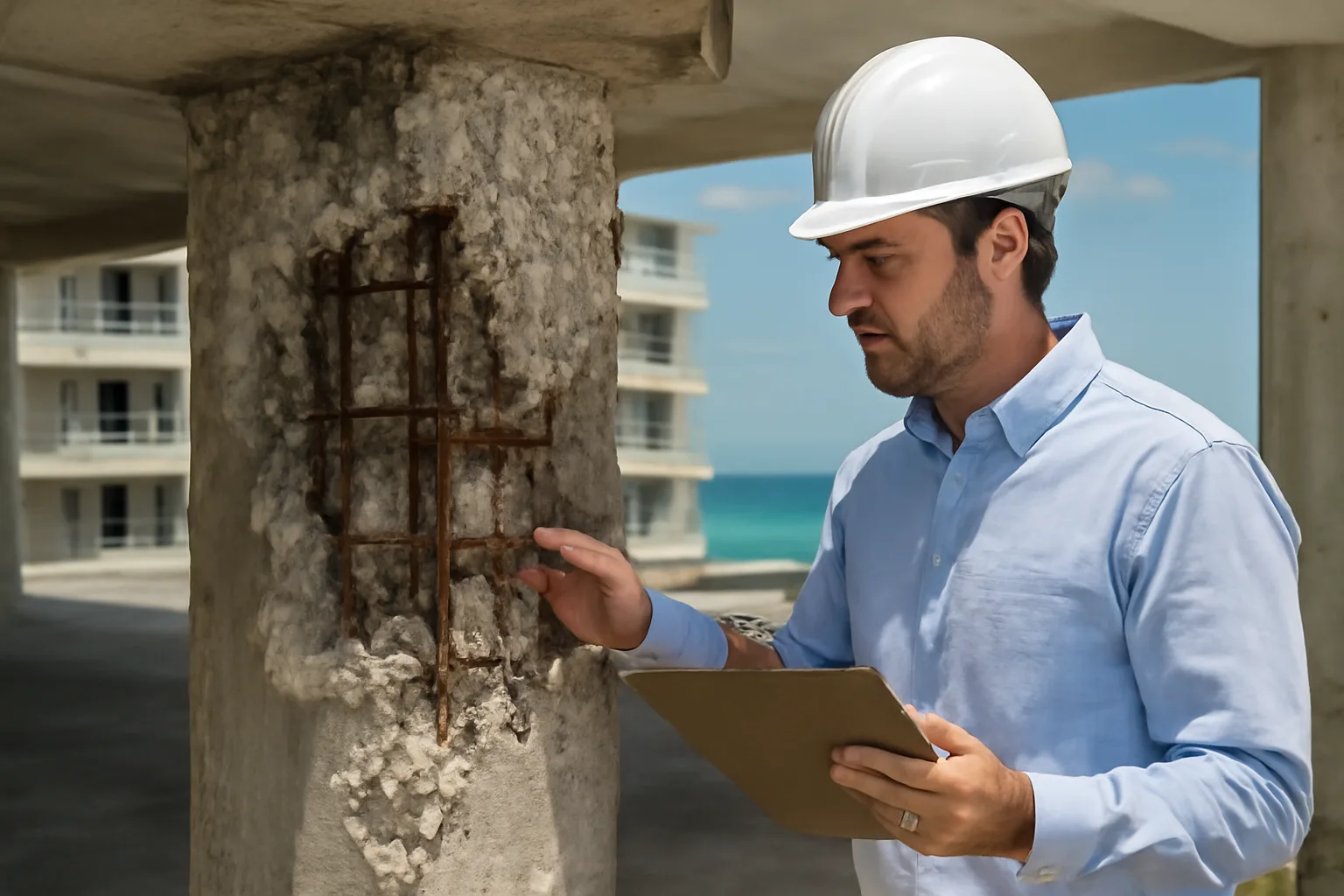
A Structural Integrity Reserve Study (SIRS) is a study, done by a licensed engineer or architect, that looks at specific structural and safety components of a condo building and tells the association how much money it needs to set aside in reserves to maintain or replace each one. It's not a general home inspection and it's not the same as a milestone inspection, though the two often get scheduled around the same time. The law lives in Florida Statutes section 718.112(2)(g) [1]. It applies to condominium associations, not single-family HOAs, and only to buildings that are three stories or more in height. The statute defines what has to be studied, who can do the study, and how often it has to be redone. The short version: SIRS forces boards to fund reserves for the parts of the building that actually keep people safe (roof, load-bearing walls, waterproofing, plumbing, electrical, and more) using real numbers from a licensed professional instead of a board member's guess or a decision to defer funding for another year.
Which buildings need a SIRS in Florida?
The SIRS requirement applies to condominium associations operating buildings that are three stories or higher, as determined by ch. 553 building code height counting rules, and it applies regardless of the building's age once it crosses that height threshold. Statute text: the association must have a structural integrity reserve study completed "at least once every 10 years after the building receives its certificate of occupancy" for each building on the condominium property that is three stories or higher [1]. A few practical notes boards get wrong constantly. First, height is measured per building, not per association, so a condo association that owns a mix of low-rise and high-rise buildings on the same property may need SIRS for some buildings and not others. Second, timeshare condominiums and buildings that don't have condominium units, like a standalone clubhouse, aren't swept into this requirement the same way. Third, this is a condo-specific law. Cooperatives got a parallel requirement added under F.S. 719.106 [2], but standalone single-family and townhome HOAs are not covered by SIRS at all, no matter how tall the buildings are, because HOAs fall under ch. 720, not ch. 718 [3]. If your association isn't sure whether a particular building counts, that's a conversation for your engineer and your association's counsel, not a guess at a board meeting.
What components does a SIRS have to cover?
The statute lists specific structural and life-safety components that a SIRS must evaluate, and a licensed engineer or architect can't skip any that are present in the building. Per F.S. 718.112(2)(g)4., the study must include, at minimum: roof, load-bearing walls and other primary structural members and systems, floor, foundation, fireproofing and fire protection systems, plumbing, electrical systems, waterproofing and exterior painting, windows and exterior doors, and "any other item that has a deferred maintenance expense or replacement cost that exceeds $10,000 and the failure to maintain or replace the item negatively affects the items listed... as determined by the licensed engineer or architect performing the visual inspection" [1]. That last catch-all matters. It means the engineer doing your study has some discretion to flag other big-ticket structural items, more than the named list, if a failure there would cascade into one of the named components. For each component, the SIRS has to state the estimated remaining useful life, the estimated replacement cost or deferred maintenance cost, and a recommended annual reserve contribution amount. That output becomes the number your board has to budget to, unless owners vote to reduce it (with limits, discussed below).
Who can perform a SIRS and what does it cost?
Only a licensed engineer or licensed architect can perform the visual inspection portion of a SIRS in Florida [1]. Boards can't have a property manager, a reserve specialist without an engineering or architecture license, or a contractor sign off on the structural findings. DBPR (the Department of Business and Professional Regulation) licenses and regulates these professionals and also regulates community association managers who help coordinate the process [4]. Cost varies a lot by building size, age, and how complicated the structural systems are. Industry pricing commonly cited by reserve study firms and condo attorneys runs from roughly $5,000 for a small, simple building to $20,000 or more for large or older high-rises with complex mechanical and structural systems; very large coastal towers can run higher still. There's no single statewide fee schedule and Florida doesn't publish an official average, so treat any number you're quoted as building-specific, and get at least two or three bids. Many firms that do SIRS work also do the separate reserve study for non-structural items (pools, landscaping, paving) at the same time, which can save a site visit and some overlap in cost. It's worth asking your engineer whether they can scope both in one engagement.
How does SIRS relate to the milestone inspection?
The two are separate legal requirements that often get bundled by timing and by the same engineering firm, but they answer different questions. The milestone inspection, under F.S. 553.899, is a structural safety inspection tied to building age and, for coastal buildings, is required at year 25; inland buildings get to year 30 [5]. Its job is to answer whether the building is structurally sound right now. SIRS, under F.S. 718.112(2)(g), answers a financial question: how much money does the association need in reserves to maintain those structural components over time. A building can pass its milestone inspection and still be woefully under-reserved for a roof replacement five years out. The two studies use overlapping engineering expertise, and many associations schedule the SIRS site visit around the same time as the milestone inspection to save on engineering fees, but legally they are two different obligations with two different statutes behind them. For a full breakdown of the age and coastal triggers for milestone inspections, see our companion guide.
What are the SIRS reserve funding rules?
This is the part that changed condo finance in Florida. Once a building has a completed SIRS, F.S. 718.112(2)(f) prohibits the association from waiving reserve funding for the SIRS-covered components, and it prohibits pooling those reserves with non-SIRS reserve items [1]. In plain terms: the board can't vote to skip funding the roof reserve for a year, and it can't lump the roof reserve into one big undifferentiated reserve account with the pool and landscaping funds anymore. Statute language: associations "may not determine to provide no reserves or less reserves than required" for SIRS components once the study is done [1]. Owners still get some say. Under changes made in 2024 (SB 154), unit owners can vote, by a majority of the total voting interests, to temporarily pause or reduce funding for a specified period, but there are guardrails, and this is a decision that needs a real vote, real disclosure, and, frankly, real legal advice before a board even puts it on an agenda. Associations that haven't done their first SIRS yet don't have this restriction triggered, which is exactly why some boards have been slow to schedule the study. That's a short-term save and a long-term mistake: without the study, owners have no real picture of what they're actually going to owe, and a special assessment usually lands harder than a phased-in reserve contribution would have.
What is a reserve study?
A reserve study, in the general sense, is a financial and physical assessment of an association's common-area components (roofs, paving, pools, painting, and more) that projects when each one will need repair or replacement and how much money the association should be setting aside now to pay for it later without a surprise special assessment. Reserve studies typically run 20 to 30 years out and get updated every few years as costs and conditions change. In Florida condo law, SIRS is a specific, statutorily defined type of reserve study focused only on structural and life-safety components, done by a licensed engineer or architect, with a mandatory 10-year update cycle. A broader, general reserve study covers everything else the association owns and maintains, and while state law requires boards to maintain reserves for certain named items under F.S. 718.112(2)(f), it doesn't require the same licensed-professional visual inspection process for those non-structural items that SIRS requires for structural ones.
What is a reserve study for an HOA?
For a homeowners' association under ch. 720, a reserve study works the same way conceptually as it does for condos: a professional (often a reserve specialist, not necessarily a licensed engineer) inspects and catalogs the community's common assets, roads, clubhouse roof, pool equipment, retention ponds, and estimates remaining life and future replacement cost for each. The association then sets an annual reserve contribution target based on that study. The key legal difference from condos: HOAs are not subject to the SIRS requirement in F.S. 718.112(2)(g) at all, because that section sits inside the Condominium Act, not the Homeowners' Association Act (ch. 720) [3]. HOA boards that want a structural reserve study for a mid-rise clubhouse or parking structure can still commission one voluntarily, and many should, but it's not a state mandate the way SIRS is for condos. See our HOA reserve study guide for how HOA boards typically scope and pay for one.
What is an HOA assessment (and how is it different from SIRS-driven costs)?
An HOA assessment, sometimes called a regular assessment or a special assessment, is a fee the association charges its members beyond (or instead of) the regular budgeted dues, usually to cover a specific capital expense, a reserve shortfall, or an emergency repair. Regular assessments fund the annual operating budget; special assessments are typically one-time or short-term charges tied to a particular project, like a roof replacement or storm damage repair. For condo associations, a large driver of new special assessments over the last two years has been catching up on SIRS-mandated reserves that were never funded before the law took effect, plus milestone inspection repair costs. When a building's first SIRS reveals a multi-million-dollar structural reserve gap, and the association can no longer waive or underfund those reserves, the board typically has two choices: raise monthly assessments significantly, levy a special assessment, or some combination of both. Our HOA special assessment guide breaks down how boards typically structure and vote on these.
How much should an HOA or condo have in reserves?
There's no single statewide dollar figure, because it depends entirely on what the reserve study or SIRS finds for that specific building. The right amount is whatever a current, professionally prepared study says is needed to fully fund the remaining useful life and replacement cost of each covered component, divided across the years remaining before each item needs work. What the law does say: once a Florida condo association has a completed SIRS, F.S. 718.112(2)(f) requires reserves for SIRS components to be funded at the level the study recommends, with no waiver and no pooling allowed [1]. Before SIRS, many associations had been funding at far less than 100% of the studied need, sometimes 20-40% of full funding, which is part of why so many buildings are facing large catch-up assessments now. National reserve study organizations generally recommend associations target being at least 70% funded relative to their reserve study's ideal, as a rough industry benchmark, though Florida's SIRS law effectively pushes condo structural reserves toward full funding regardless of that broader industry norm. The honest answer for a board asking this question: get the study first, then talk numbers. Anyone who gives you a percentage or dollar figure before an engineer has looked at your building is guessing.
How much does a reserve study cost, and is it worth it?
Cost ranges vary by scope and building size. A basic non-structural reserve study for a small association commonly runs $1,500 to $4,000. A full SIRS on a mid-size condo building, done by a licensed engineer, more commonly runs $5,000 to $15,000, and can run higher for large or architecturally complex high-rises. These are industry-cited ranges from reserve study and engineering firms rather than a state-published fee schedule, so get multiple bids and ask what's included (site visit, component list, report format, remaining useful life tables). Is it worth it? Yes, and more than because the law requires SIRS for qualifying buildings. A board that skips or delays the study doesn't avoid the underlying repair costs, it just delays finding out about them, usually until a milestone inspection or an actual failure forces the issue, at which point the fix is more expensive and the assessment lands on owners all at once instead of over several years.
Are HOA and condo special assessments tax deductible?
Generally, no, not for a typical owner-occupied unit. Special assessments paid to a condo or HOA for repairs, reserves, or capital improvements are treated by the IRS like a personal living expense in most cases, similar to how regular monthly dues aren't deductible for a primary residence. The IRS doesn't have a Florida-specific carve-out for SIRS or milestone-related assessments. There are narrow exceptions. If the unit is a rental property or used for business, special assessments may be deductible or depreciable as a business expense, subject to normal rules distinguishing repairs from capital improvements, as described in IRS Publication 527 for residential rental property [6]. Assessments that fund improvements adding to the home's value can sometimes be added to your cost basis, which matters for capital gains calculations when you eventually sell, even for a primary residence. This isn't tax advice specific to your situation. Owners facing a large SIRS-related special assessment should talk to a CPA about their specific facts, not rely on a board FAQ.
What happens if an association skips or delays SIRS?
Florida law doesn't spell out a single fixed dollar-amount fine for missing the SIRS deadline the way some code violations work, but the practical consequences are serious. Associations that fail to complete a required SIRS remain barred from waiving or pooling reserves for the covered items once due, and directors who knowingly violate reserve funding and disclosure requirements can face exposure under the Condominium Act's civil remedies and DBPR complaint process [1][4]. Buyers and lenders are also increasingly asking for SIRS status before closing, and Fannie Mae has added condo project review questions tied to reserve funding and structural inspection status under its Selling Guide requirements for condo projects [7], which can affect a building's ability to sell units on favorable financing. Beyond legal exposure, the real cost of delay is financial. A building that skips its SIRS doesn't skip the roof replacement or the concrete restoration, it just finds out about the bill later, usually with less runway to spread the cost across owners and more likely to need an emergency special assessment or a reserve loan. This is where a lot of boards get stuck less on the law and more on logistics: tracking which building needs what by what date, keeping the engineer's report organized, and being able to show owners a clear paper trail of what's been done and what's coming. A $199 one-time Building-Specific Board Compliance Kit is built for exactly that gap. It won't replace your engineer or your attorney, and it doesn't offer any opinion on whether your association is in compliance; it organizes the deadlines, documents, and owner communications around the inspections and studies your licensed professionals actually perform.
What should a board do first if it hasn't started SIRS?
Start with the building's certificate of occupancy date and height, then confirm with a licensed engineer whether the 10-year SIRS clock has already started or is coming due. If the building has never had a SIRS, get quotes from at least two or three licensed engineering firms and ask directly whether they've done SIRS work under F.S. 718.112(2)(g) before, since this is a distinct scope from a general property condition report. While that's underway, pull the association's most recent budget and reserve schedule and have your treasurer or manager flag which line items are likely to be affected once the SIRS results come back. Boards that walk into the owner meeting with the study results and no financial plan tend to get a rough reception; boards that walk in with a phased funding proposal, even a rough one, tend to fare much better. Finally, loop in association counsel early, specifically on how F.S. 718.112(2)(f) and (g) apply to your specific building and reserve accounts, since statutes get amended almost every legislative session and a 2023 or 2024 summary you read online may already be out of date. Confirm current requirements with your association's counsel and your county building department before finalizing any funding plan.
Frequently asked questions
What is SIRS in Florida condo law?
SIRS (Structural Integrity Reserve Study) is a study required under F.S. 718.112(2)(g) for condo buildings three stories or higher. A licensed engineer or architect inspects specific structural and safety components, roof, load-bearing walls, plumbing, electrical, waterproofing, and more, and estimates remaining life, replacement cost, and required reserve funding for each.
What is a reserve study?
A reserve study is a professional assessment of an association's common-property components that projects when each will need repair or replacement and how much money should be reserved annually to cover it without a surprise assessment. Florida's SIRS is a specific, legally mandated version focused on structural and safety items in condo buildings.
What is a reserve study for an HOA?
For an HOA under ch. 720, a reserve study is a voluntary or governing-document-required assessment of common assets (roads, clubhouse, pool, retention ponds) that sets reserve funding targets. Unlike condo SIRS, Florida law doesn't mandate a licensed-engineer structural reserve study for HOAs, since F.S. 718.112(2)(g) applies only to condominiums.
What is an HOA assessment?
An HOA assessment is a charge to members beyond or instead of regular dues, either a recurring regular assessment funding the annual budget or a special assessment tied to a specific capital project, reserve shortfall, or emergency repair. Condo associations facing new SIRS reserve funding requirements are increasingly using special assessments to close funding gaps.
How much should a condo or HOA have in reserves?
There's no fixed statewide dollar figure; the right amount comes from a current professional reserve study or SIRS specific to that building. Once a Florida condo completes its SIRS, F.S. 718.112(2)(f) requires full funding of SIRS-covered reserves with no waiver or pooling allowed, a stricter standard than the industry's general 70%-funded benchmark.
How much does a reserve study or SIRS cost?
Non-structural reserve studies commonly run $1,500 to $4,000 for smaller associations. A full SIRS by a licensed engineer typically runs $5,000 to $15,000 or more depending on building size and structural complexity. These are industry-cited ranges; Florida doesn't publish an official fee schedule, so get multiple bids.
Are HOA or condo special assessments tax deductible?
Generally no, for a primary residence special assessments are treated like personal living expenses and aren't deductible, similar to regular dues. Exceptions exist for rental or business-use properties, as outlined in IRS Publication 527, and some assessments may add to your cost basis for future capital gains purposes. Talk to a CPA about your specific situation.
Which buildings are required to get a SIRS in Florida?
Condominium buildings three stories or higher, per F.S. 718.112(2)(g), must complete a SIRS at least once every 10 years after the certificate of occupancy is issued. The requirement applies building-by-building within a condominium property and does not apply to single-family or townhome HOAs under ch. 720.
Who is legally allowed to perform a SIRS in Florida?
Only a licensed engineer or licensed architect can perform the required visual inspection and produce the SIRS report under F.S. 718.112(2)(g). DBPR licenses these professionals. A property manager, contractor, or unlicensed reserve consultant cannot legally sign off on the structural findings, even if they help coordinate the process.
Is SIRS the same as the milestone inspection?
No. The milestone inspection (F.S. 553.899) checks current structural safety at building age 25 (coastal) or 30 (inland). SIRS (F.S. 718.112(2)(g)) is a separate financial reserve study projecting future repair costs and required funding for structural components. Buildings often schedule both around the same time but they're legally distinct requirements.
Can a condo association waive SIRS reserve funding?
No, not once the SIRS is completed. F.S. 718.112(2)(f) prohibits waiving or pooling reserves for SIRS-covered components. A 2024 law change (SB 154) allows a majority owner vote to temporarily pause or reduce funding under specific conditions, but this requires formal disclosure and should go through association counsel first.
What happens if an association never does its required SIRS?
There's no single flat statutory fine, but the association stays barred from underfunding or pooling reserves once a SIRS is due, directors risk exposure under Condominium Act remedies and DBPR complaints, and lenders like Fannie Mae increasingly review SIRS status before approving unit financing. Delaying also means bigger, more sudden assessments later.
Do timeshares or cooperatives need a SIRS?
Timeshare condominiums are generally excluded from the SIRS requirement under F.S. 718.112(2)(g). Cooperatives have a parallel, similar requirement under F.S. 719.106 rather than being covered by the condo statute directly. Boards should confirm their entity type and building classification with counsel before assuming either exemption applies.
Sources
- Florida Senate, Florida Statutes section 718.112: SIRS requirements, covered components, and reserve waiver/pooling prohibition (718.112(2)(f)-(g))
- Florida DBPR, Division of Florida Condominiums, Timeshares, and Mobile Homes: DBPR licenses engineers/architects and regulates community association managers involved in SIRS compliance
- Florida Senate, Florida Statutes section 553.899: Milestone inspection age triggers of 25 years (coastal) and 30 years (inland)
- IRS, Publication 527, Residential Rental Property: Rules on deductibility and capital treatment of assessments for rental/business-use property
- Florida Senate, Florida Statutes section 719.106: Cooperative associations have a parallel structural reserve study requirement under F.S. 719.106
- Florida Senate, Florida Statutes section 720.303: HOAs are governed by ch. 720 reserve and assessment rules and are not subject to the condo SIRS mandate in ch. 718
- Florida Senate, CS/CS/SB 154 (2024): 2024 amendment allowing unit owners to vote to temporarily pause or reduce SIRS reserve funding under specified conditions