Last updated 2026-07-25
TL;DR
Florida condo buildings 3+ stories need a milestone inspection at 30 years (25 years within 3 miles of the coast), then every 10 years after. Every condo association must also complete a Structural Integrity Reserve Study (SIRS) and start funding full reserves for 13 building components, no more voting to waive them. Both come from Fla. Stat. § 553.899 and § 718.112, tightened after the Surfside collapse.
What changed in Florida condo law after Surfside
In June 2021, the Champlain Towers South collapse in Surfside killed 98 people. The building was 40 years old and had a pending $15 million special assessment for repairs it never got to make. Florida's legislature responded with two laws, SB 4-D in 2022 and SB 154 in 2023, that rewrote condo safety and reserve rules statewide [1]. The result is two separate but connected obligations. First, a milestone inspection, a structural check by a licensed engineer or architect, required once a building hits a certain age. Second, a Structural Integrity Reserve Study (SIRS), a funding plan that forces associations to save real money for 13 specific building systems instead of waiving reserves or underfunding them on paper. Both requirements now sit in Fla. Stat. § 553.899 (milestone inspections) and § 718.112 (SIRS and reserve funding) [2][3]. If your building is 3 stories or taller and has condo units, you're almost certainly on the hook for both.
What is a milestone inspection and which buildings need one
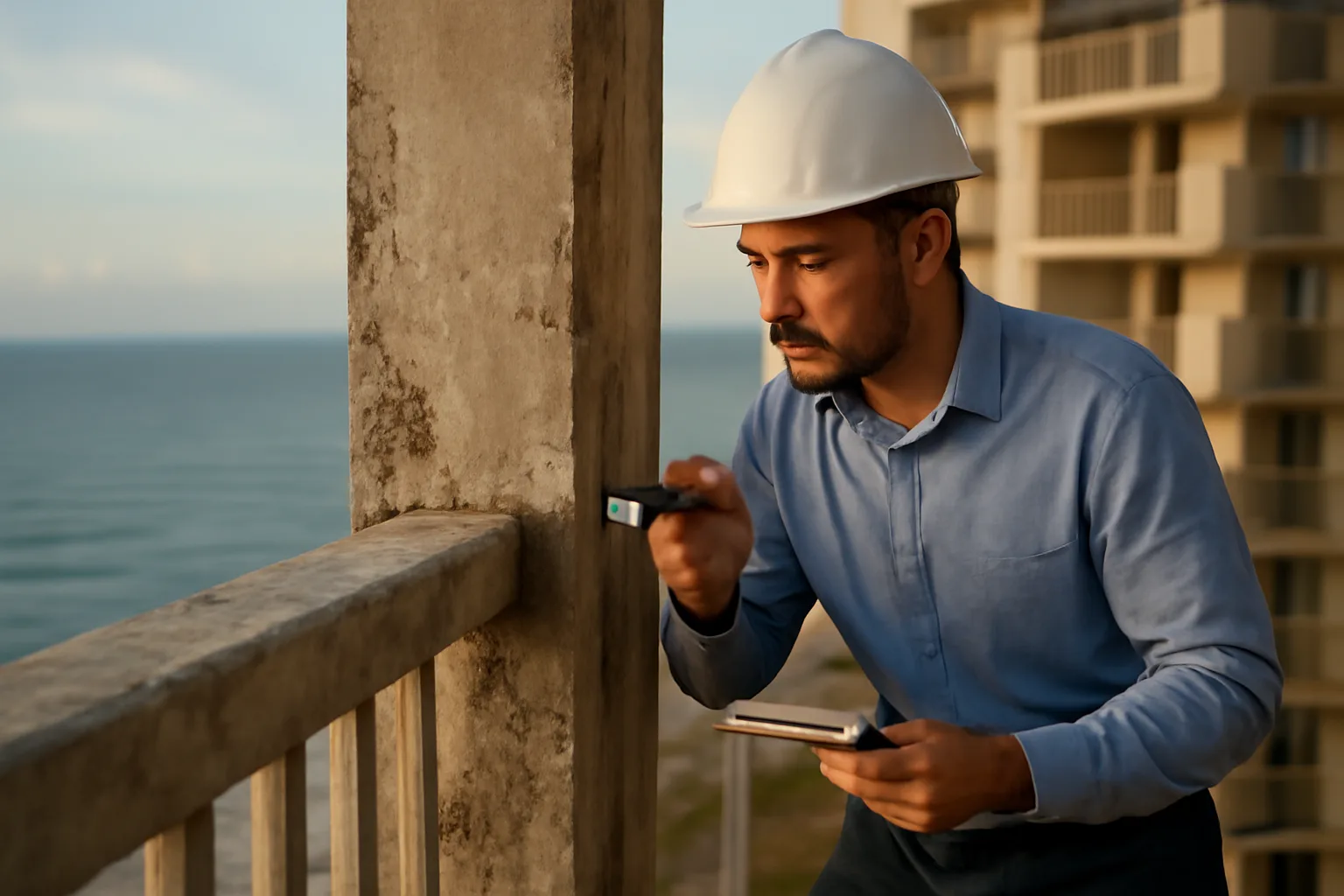
A milestone inspection is a structural inspection of a condo or cooperative building, performed by a Florida-licensed engineer or architect, to check the building's structural integrity and flag substantial deterioration. It applies to buildings 3 stories or more in height [2]. The trigger age depends on distance from the coast. Buildings within 3 miles of the coastline need their first milestone inspection by the time they turn 25 years old. Buildings farther inland get until age 30 [2]. After that first inspection, it repeats every 10 years, for the life of the building. The statute lays this out in two phases. Phase 1 is a visual inspection: the engineer or architect walks the building, looks at the structural components, and decides whether there's "substantial structural deterioration" that needs a closer look. If they find none, Phase 1 is often the whole inspection. If they do find signs of deterioration, Phase 2 kicks in: a more invasive inspection, which can include destructive testing, sampling, or exploratory demolition of finishes to see what's happening behind them [2]. Counties and local building officials enforce the deadline and can require inspections sooner if a building shows visible problems. Miami-Dade and Broward counties already had their own 40-year recertification programs before SB 4-D; the state law layered a statewide floor on top of, not instead of, those local rules [2]. Always confirm your county's exact filing process and any local age triggers with your association's counsel, since enforcement mechanics vary by jurisdiction.
What is a Structural Integrity Reserve Study (SIRS)
A SIRS is a specialized study, done by a licensed engineer or architect (or, for the visual-only version, someone qualified under the statute), that inspects 13 named building components and tells the association how much it needs saved, per component, to fund replacement or major repair by end of useful life [3]. The 13 components the statute requires SIRS to cover are: roof, load-bearing walls or other primary structural members, floor, foundation, fireproofing and fire protection systems, plumbing, electrical systems, waterproofing and exterior painting, windows and exterior doors, and "any other item that has a deferred maintenance expense or replacement cost that exceeds $10,000 and that, if not repaired or replaced, will negatively affect" the other listed components [3]. A general reserve study (the kind HOAs and older condo law used to run on) estimates useful life and replacement cost across whatever components the board picks, and reserve funding is often optional or can be reduced by member vote. A SIRS is narrower and mandatory: it covers those specific structural and life-safety items, and as of the 2022/2023 law changes, condo associations can no longer vote to waive or reduce reserve funding for SIRS components [3]. That's the single biggest practical difference boards need to understand. If you want the general background on how reserve studies work before or alongside a SIRS, see our guide to reserve studies and the HOA-specific version.
When is the SIRS deadline for Florida condos
Every condo association with a building 3 stories or higher had to complete its first SIRS by December 31, 2024 [3]. That deadline already passed. If your association hasn't done one, you're out of compliance now, and the fix is to get it scheduled immediately, not to wait for a better moment. After the first SIRS, it has to be redone at least every 10 years [3]. Some associations choose to time it to line up with their milestone inspection cycle, since a lot of the same structural data feeds both, though the two aren't legally tied to the same schedule and don't have to be done by the same firm. The law also required associations to start collecting full, non-waivable reserves for SIRS components with the budget adopted on or after December 31, 2024 [3]. Boards that were used to voting each year to waive or partially fund reserves lost that option for these 13 components. That's a real shift in how condo budgets get built, and it's the part that tends to shock owners the most when the new budget lands.
How much does a reserve study cost
There's no single statewide fee schedule, since this is private professional work, not a government filing. In practice, Florida associations report reserve study costs ranging roughly from $3,000 to $15,000 or more, depending on building size, number of components, and whether it's a full SIRS with site visits and destructive testing options versus a simpler study for a small HOA with a handful of assets [3]. A few things drive the price up: taller buildings with more structural components to assess, buildings needing Phase 2 destructive testing as part of the related milestone inspection, and associations that want the reserve study provider to also model multiple funding scenarios (straight-line vs. pooled/cash-flow methods) rather than a single number. Compare that cost to what happens without one. A special assessment to cover a structural repair that reserves should have funded routinely runs into six or seven figures for a mid-size building. The reserve study itself is the cheap part. For cost planning specific to condo buildings, our page on reserve studies for condo associations breaks down typical scopes by building size.
What is an HOA assessment and how is it different from a condo assessment
An HOA or condo assessment is a mandatory fee the association charges owners to fund operating costs and reserves, on top of (or as part of) regular dues. Boards levy assessments under authority in the association's governing documents and, for condos, under Fla. Stat. ch. 718 [4]. There are two basic types. A regular assessment is the routine, budgeted charge, usually monthly or quarterly, that covers operating expenses and reserve contributions. A special assessment is a one-time (or limited-duration) charge the board levies outside the normal budget, usually to cover an unexpected or underfunded cost, like a structural repair, an insurance premium spike, or a SIRS-driven funding gap the reserves can't absorb. Condo associations are further constrained by ch. 718's rules on how reserves get funded and disclosed to owners, while HOAs (single-family and townhome communities not organized as condominiums) generally fall under Fla. Stat. ch. 720, which has its own, somewhat looser reserve and disclosure requirements. If your community is a condo, the SIRS and milestone inspection rules apply directly; if it's a true HOA under ch. 720, those specific structural statutes don't apply the same way, though many HOA boards still commission voluntary reserve studies for the same financial-planning reasons. See our page on HOA special assessments for how that process typically works.
How much should a condo or HOA have in reserves
The honest answer is: enough to cover the full replacement cost of every major component, funded on a schedule that matches its remaining useful life, and for Florida condos, that's no longer optional for the 13 SIRS components. There's no flat percentage-of-budget rule in the statute; the number is component-specific and building-specific. For condo SIRS components, the law now requires reserves to be funded based on the study's findings, with no board or membership vote to waive or reduce that funding for those items [3]. That's a hard floor set by the amounts your engineer's SIRS report calculates, not a target boards can adjust down to keep dues lower. For everything else, and for HOAs not subject to SIRS, industry practice (drawing on national reserve-study standards referenced by the Community Associations Institute) generally aims for a reserve fund at 70% or more of "fully funded" status as a healthy benchmark, though associations legally can and do run lower. The tradeoff is straightforward and boards should say it plainly to owners: underfund reserves now, and you're borrowing from a future special assessment, usually at a worse price and a worse moment.
Are HOA and condo special assessments tax deductible
Generally, no, not for individual owners, and this is one of the most common misconceptions boards hear from residents. A special assessment for capital improvements or structural repairs is typically treated by the IRS as an increase to the owner's cost basis in the property, not a deductible expense, similar to how a home improvement isn't deductible when you pay for it [5]. There are narrow exceptions worth knowing about, though none of them make this a blanket deduction. If a unit is a rental property, the owner may be able to depreciate or deduct assessment-related costs as a business expense, subject to normal rental-property rules under IRS guidance on rental real estate [6]. If a special assessment specifically funds items that would otherwise qualify for a casualty-loss or medical-related home modification deduction, some portion might qualify, but that's fact-specific and rare. This is genuinely a question for a CPA or tax attorney familiar with the owner's full situation, not something a board should answer for residents. Boards can and should tell owners plainly: talk to your accountant, don't assume, and don't expect a special assessment check to shrink your tax bill the way a mortgage interest deduction does.
What happens if a Florida condo association misses its milestone inspection or SIRS deadline
Local building officials enforce milestone inspection deadlines and can pursue code-enforcement action, fines, or in serious cases, occupancy restrictions if a building shows real safety risk and the association hasn't inspected or acted on findings [2]. Missing a SIRS deadline doesn't come with a single statewide fine schedule in the statute itself, but it puts the association in a genuinely bad spot for three separate reasons. First, insurers and lenders increasingly ask for milestone inspection and SIRS documentation before writing or renewing policies and mortgages on units in the building. Fannie Mae has tightened condo project review requirements post-Surfside through its Selling Guide updates on ineligible project types, and buildings that can't show current structural documentation risk units becoming harder to finance or insure, which drags down resale values for every owner [2]. Second, boards that ignore these deadlines expose themselves to fiduciary-duty claims from owners if a preventable structural or financial problem later surfaces. Third, and most practically, delay makes the eventual bill bigger. Structural problems don't improve while a board debates whether to hire the engineer. If your association is behind, the move is straightforward: engage a licensed Florida engineer or architect now, get the inspection or SIRS scheduled, and document every step for owners and future boards. Boards juggling this timeline alongside budget season, board elections, and insurance renewals often find it helps to put every statutory deadline on one calendar rather than tracking milestone inspections, SIRS, and reserve votes in separate emails and spreadsheets; that's the exact gap our $199 Board Compliance Kit is built to close, though the underlying inspections and studies still have to be done by the licensed professionals the statute requires.
Is there any relief from Florida's SIRS and reserve funding rules
Some. The legislature has revisited these rules more than once since 2022, adjusting deadlines and giving associations narrow flexibility, like the ability to finance SIRS-related repairs through loans or lines of credit counted toward funding compliance in certain cases [1]. But the core requirements, the SIRS itself and the non-waivable reserve funding for the 13 components, have stayed in place. Boards sometimes hear rumors of a blanket delay or waiver and shouldn't act on rumor. The statute and its deadlines can change in any legislative session, so the only safe practice is to confirm the current requirements with your association's counsel before setting a budget or skipping a study. For a closer look at what relief has actually passed and what's still proposed, see our page on Florida condo reserve fund relief.
How do boards actually pay for milestone repairs and SIRS-driven reserves
Three realistic paths, and most associations end up using a mix of them. Reserve funding, built up over years per the SIRS schedule, is the cheapest option per dollar collected, but it doesn't help a building that's already behind. A special assessment raises the needed money quickly but hits owners with a lump-sum bill that can be genuinely painful, especially for retirees on fixed incomes; see our guide on special assessments for how boards typically structure and disclose these. A loan or line of credit, taken out by the association and repaid through assessments over time, spreads the cost out and can be less shocking than a single special-assessment bill, though it adds interest cost and requires board approval processes many associations haven't used before. Some associations also carry or explore special assessment insurance products as a hedge, though these are relatively new in the Florida market and boards should read the actual policy terms closely rather than assume broad coverage. Whatever mix a board picks, the decision needs a paper trail: the SIRS report, the milestone inspection findings, board meeting minutes showing the vote, and clear owner notice of amounts and timing. That documentation matters if owners challenge the assessment later, and it matters to any future buyer's lender asking for the building's compliance history.
Frequently asked questions
What is a reserve study?
A reserve study is a professional assessment of a building's major components (roof, plumbing, structure, and more) that estimates each item's remaining useful life and replacement cost, then calculates how much money the association should save each year to cover future repairs without a surprise special assessment.
What is a reserve study for an HOA?
For an HOA, a reserve study works the same way as for a condo: it inventories shared assets like roads, clubhouses, pools, and roofs, estimates when each will need replacement, and sets a savings target. HOAs under Fla. Stat. ch. 720 generally have more flexibility than condos on whether and how to fund the results.
What is an HOA assessment?
An HOA assessment is a fee the association charges owners, either as a regular budgeted due or a special one-time charge, to cover operating costs and reserve funding for shared property. Special assessments cover costs regular dues and reserves didn't anticipate, like storm damage or a structural repair.
How much should an HOA have in reserves?
There's no single legal percentage for HOAs. Industry practice generally targets 70% or more of "fully funded" status as healthy, meaning reserves cover roughly 70% of what a full reserve study says every component would need if replaced today. Florida condos face stricter, non-waivable rules for 13 SIRS components specifically.
How much does a reserve study cost in Florida?
Costs typically range from about $3,000 to $15,000 or more, depending on building size, number of components, and whether destructive testing or multiple funding-method scenarios are included. Larger, taller buildings needing a full SIRS with 13 components typically land at the higher end of that range.
Are HOA special assessments tax deductible?
Generally no. The IRS typically treats special assessments for capital improvements as adding to your cost basis in the property rather than as a deductible expense, similar to a home improvement. Rental-property owners may have different rules; always confirm with a CPA familiar with your specific situation.
What is the SIRS deadline for Florida condos?
Every Florida condo association with a building 3 stories or taller had to complete its first Structural Integrity Reserve Study by December 31, 2024, under Fla. Stat. § 718.112. That deadline has passed; associations that missed it should engage a licensed engineer or architect immediately.
What is a milestone inspection in Florida?
A milestone inspection is a structural inspection performed by a licensed engineer or architect on condo and co-op buildings 3 stories or taller, required at age 30 (or age 25 if within 3 miles of the coast) and every 10 years after, under Fla. Stat. § 553.899.
Can a condo association waive SIRS reserve funding by vote?
No, not anymore. Since the reforms passed after the Surfside collapse, condo associations can no longer vote to waive or reduce reserve funding for the 13 structural components a SIRS covers. That non-waivable rule is one of the biggest changes from pre-2022 Florida condo law.
What 13 components does a SIRS have to cover?
Fla. Stat. § 718.112 lists roof, structure, fireproofing and fire protection, plumbing, electrical, waterproofing and exterior painting, windows and exterior doors, and other items over $10,000 that could affect those components if left unrepaired. A licensed professional inspects each and estimates remaining life and replacement cost.
Does a condo's milestone inspection replace the SIRS, or are they separate?
They're separate requirements under different statute sections, though related. The milestone inspection (Fla. Stat. § 553.899) checks structural safety at set ages; the SIRS (Fla. Stat. § 718.112) sets reserve funding for 13 components. Many associations schedule them close together since they share structural data, but one doesn't satisfy the other.
What happens if my condo building fails its milestone inspection?
A 'failed' milestone inspection usually means the engineer found substantial structural deterioration in Phase 1 and triggers a Phase 2 inspection, which can include destructive testing. Depending on severity, local building officials may require repairs, restrict occupancy, or set a compliance timeline; specifics vary by county, so confirm with local building officials and counsel.
Sources
- Florida Senate, SB 4-D (2022): Florida passed SB 4-D in 2022 in response to the Surfside collapse, creating statewide milestone inspection and SIRS requirements
- Florida Statutes § 553.899, Structural inspections: Milestone inspections are required for buildings 3+ stories at 30 years (25 if within 3 miles of coastline) and every 10 years after, with Phase 1 and Phase 2 inspection process
- Florida Statutes § 718.112, Bylaws (reserve and SIRS provisions): SIRS deadline of December 31, 2024, the 13 required components, the $10,000 threshold for other items, non-waivable reserve funding, and the 10-year SIRS repeat cycle
- Florida Statutes ch. 718, Condominiums: Condo associations levy assessments under authority granted in Florida Statutes chapter 718
- IRS Publication 530, Tax Information for Homeowners: Special assessments for capital improvements are generally added to a homeowner's cost basis rather than deducted as a current expense
- IRS Publication 527, Residential Rental Property: Owners of rental units may be able to depreciate or deduct assessment-related capital costs as part of normal rental-property expense and depreciation rules