Last updated 2026-07-25
TL;DR
Florida Statute 553.899 requires condo and co-op buildings 3+ stories to get a structural milestone inspection at 30 years, or 25 years if within 3 miles of the coast, then every 10 years after. Combine it with SIRS reserve requirements under 718.112 and 718.103, and you have the full compliance picture boards need to plan around.
What does the Florida milestone inspection statute actually require?
Florida Statute 553.899 requires a "milestone inspection" of buildings three stories or more in height, for most condominium and cooperative buildings, and (per a 2023 amendment) certain other buildings under local building official authority [1]. The inspection has to happen by December 31 of the year the building turns 30 years old, based on the certificate of occupancy date. If the building sits within 3 miles of the coastline, that deadline moves up to 25 years [1]. After the first inspection, the building needs another one every 10 years. This isn't a one-and-done box to check. It's a recurring structural checkup for the life of the building. The law defines two required phases. Phase 1 is a visual examination by a licensed architect or engineer, looking for signs of "substantial structural deterioration" [1]. If the inspector finds none, you're done until the next 10-year cycle. If they do find distress, you move to Phase 2, which means more invasive testing (core samples, load calculations, whatever the engineer decides is necessary) and a written report with repair recommendations and timelines [1]. The statute puts the compliance duty on local building officials, not the state directly. Your county or city building department is the one who actually tracks the CO date, notifies owners, and enforces the deadline [1]. That's why the exact notice process, forms, and grace periods vary a bit from county to county. Miami-Dade and Broward already had similar programs before 2022 (the 40-year recertification rule), and those counties folded milestone inspections into that existing structure [2].
Why was the milestone inspection law created?
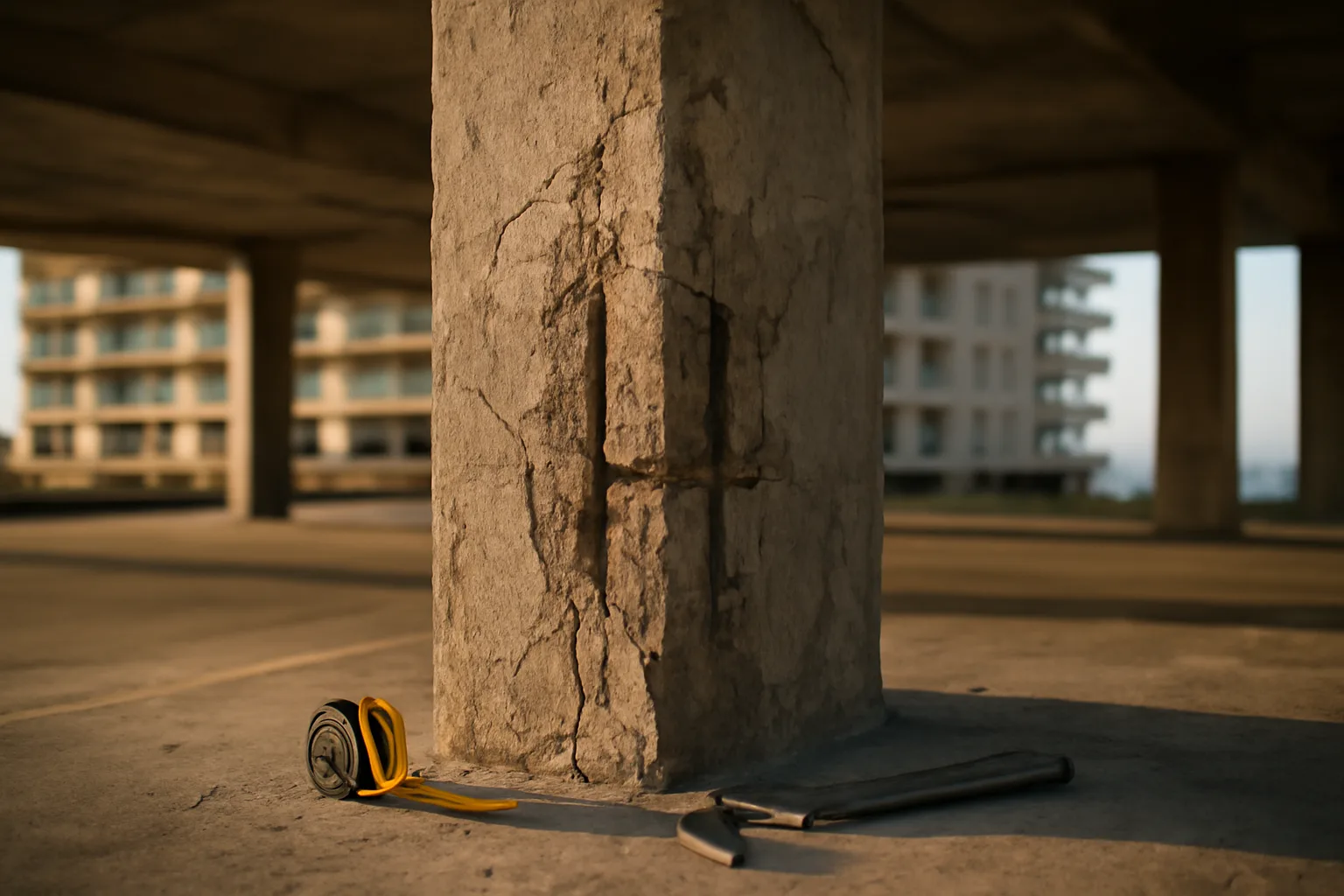
The Legislature passed this law in the special session following the June 2021 collapse of Champlain Towers South in Surfside, which killed 98 people. Miami-Dade and Broward counties already had 40-year recertification programs going back to the 1970s, but the rest of Florida had no statewide requirement for aging buildings to get structural checkups at all. SB 4D, passed in May 2022, created Section 553.899 and companion reserve requirements now living mostly in 718.112 [3]. It applies statewide, to buildings of three stories or more, regardless of county. Legislators tightened the law again in 2023 and 2024 with amendments extending some reporting deadlines and clarifying inspector qualifications, so if you last read the statute text in 2022, it's worth a fresh look [1]. The core idea is straightforward: buildings degrade in ways that aren't always visible from a walkthrough or a routine maintenance schedule. A licensed engineer trained to look for spalling concrete, corroded rebar, or foundation movement can catch problems years before they become a safety issue, or a headline.
Which buildings does the milestone inspection statute cover?
The statute applies to buildings that are three stories or more in height and are condominiums or cooperatives under Florida law, with the 30-year/25-year timeline keyed to the certificate of occupancy date [1]. A 2023 amendment (SB 154) extended similar structural inspection concepts to certain other buildings under local building official jurisdiction, but the condo/co-op rule is the one boards need to track closely [4]. Single-family homes, duplexes, and most townhomes under three stories aren't covered. Neither are buildings under two stories. The height threshold is measured the way your local building code measures stories, so ask your local building official if your structure is a borderline case (a building with a walkout basement or unusual roofline, for instance). The coastal distance test matters more than most boards realize. "Within 3 miles of a coastline" doesn't mean 3 miles from the beach where residents swim. It's measured from the mean high water line, and it can pull in buildings on inland waterways or bay-front property that don't feel "coastal" day to day [1]. If your building is anywhere near that line, get your local building department's determination in writing rather than guessing.
When exactly is my building's milestone inspection due?
| Non-coastal, 3+ stories | Age 30 (by Dec. 31 of that year) | Every 10 years | |
|---|---|---|---|
| Within 3 miles of coastline, 3+ stories | Age 25 (by Dec. 31 of that year) | Every 10 years | |
| Already past threshold age as of July 1, 2022 | Per local building official's catch-up schedule (generally by Dec. 31, 2024) | Every 10 years after | Confirm your building's specific deadline with your local building department and your association's counsel. Some counties issued individualized notices with exact due dates, and those control over the general statutory schedule. |
Count from your certificate of occupancy date, not from when construction started or when the first unit sold. If your CO issued in 1994, your building turns 30 in 2024, and the inspection is due by December 31, 2024, unless the coastal rule pulls it in five years earlier to age 25 [1]. For buildings that already passed the 30-year (or 25-year coastal) mark before the law took effect on July 1, 2022, the statute set catch-up deadlines. Buildings that reached the threshold age before July 1, 2022 generally had until December 31, 2024 to complete their initial milestone inspection, though local building officials had some discretion to set earlier or staggered dates given the volume of buildings needing inspection at once [1][2]. Because that catch-up window closed at the end of 2024, any board that hasn't started is already behind, and the priority now is getting a licensed engineer under contract immediately, not researching the rule further. Here's a quick reference for the standard cycle: | Building type | First inspection due | Repeat cycle |
What is a SIRS, and how is it different from the milestone inspection?
A Structural Integrity Reserve Study (SIRS) is a separate but related requirement under Florida Statute 718.112, focused on money rather than structural condition directly. A milestone inspection asks "is the building structurally sound?" A SIRS asks "do we have enough money saved to maintain it?" The SIRS has to be performed at least every 10 years for condominium buildings three stories or higher, by a licensed engineer or architect, and it must address specific structural components: roof, load-bearing walls, floor, foundation, fireproofing and fire protection systems, plumbing, electrical systems, waterproofing and exterior painting, and windows and doors [5]. For each of those components, the study estimates remaining useful life and the cost to replace or restore it. Unlike a standard voluntary reserve study that a board might commission covering dozens of line items (landscaping, pool equipment, paint), the SIRS is narrower in scope but mandatory in a specific way: as of the 2022 and 2023 amendments, associations generally cannot waive or reduce reserve funding for the SIRS-required components, unlike the old rule that let owners vote to waive reserves entirely [5]. That's the part that catches boards off guard financially. Full funding for structural components is not optional anymore for most condo associations. For a full breakdown of what a SIRS study covers component by component, see our SIRS-focused guide.
What is a reserve study?
A reserve study is a professional assessment of a building's major shared components (roof, paving, painting, elevators, structural elements, and more), estimating how much life each has left and how much money the association needs to set aside now to pay for eventual repair or replacement without a surprise bill. Think of it as a long-range financial forecast tied to a physical inspection. A typical reserve study has two halves: a physical analysis (site visit, component inventory, condition assessment, remaining useful life estimates) and a financial analysis (current reserve balance, funding plan, contribution schedule). Reserve study providers usually present a "full funding" scenario and sometimes a "baseline" or "threshold" funding scenario, showing the board different contribution paths and the risk tradeoffs of each [6]. In Florida, the general reserve study concept lives in Florida Statute 718.112(2)(f), while the structural-specific version (the SIRS) lives in a related subsection with its own component list and stricter funding rules [5]. Every condo association needs to understand both: the broad reserve study for general planning, and the SIRS specifically for the structural items the state now treats as non-waivable.
What is a reserve study for an HOA, and does it work the same way?
For homeowners associations, a reserve study is not the same statutory animal as a condo SIRS. HOAs in Florida are governed by Chapter 720, not Chapter 718, and as of now Chapter 720 does not impose the same mandatory structural reserve study or milestone inspection requirements that apply to condos and co-ops under Chapters 718 and 553. That said, an HOA reserve study serves the identical practical purpose: a licensed reserve specialist or engineer inspects shared components (roads if privately owned, clubhouse, pool, retention ponds, gates, roofs on common structures) and builds a funding plan. Many HOAs commission these voluntarily, or because their governing documents or lender (Fannie Mae and Freddie Mac both look at reserve adequacy for condo/HOA loan approval) require it [7]. If your HOA includes any building three stories or higher that qualifies as a condominium form of ownership, or if state law changes to extend SIRS-style requirements to HOAs (a possibility legislators have discussed but not yet enacted as of this writing), the calculus changes. Confirm your association's specific structure and any local ordinance with counsel, since some counties have layered their own structural inspection rules on top of state law regardless of ownership type. See our HOA reserve study guide and general reserve study explainer for the mechanics that apply either way.
How much does a reserve study cost?
Costs vary widely by building size, component complexity, and whether you need a full SIRS-level engineering study or a broader voluntary reserve study. Nobody publishes authoritative national pricing data broken out by state, so the honest answer is a range pulled from industry sources and reported experience, not a single hard number. For a standard multi-component reserve study on a mid-size condo or HOA, typical fees run roughly $3,000 to $8,000+ depending on the number of buildings and components, according to figures cited by state-level condo owner associations and reserve study firms [6]. A full SIRS for a high-rise coastal building, given the structural engineering and site access work involved, commonly runs higher, sometimes well into five figures for large or complex buildings, though smaller three-to-five story buildings may see costs closer to the lower end of the reserve-study range. Milestone inspections are billed separately from the SIRS, since they're a different scope of work (structural safety assessment) even though the same engineering firm sometimes performs both. Get at least two or three quotes from Florida-licensed engineers or architects, and ask specifically whether the quote includes both Phase 1 and a contingent Phase 2, since Phase 2 (destructive testing) adds cost only if triggered by Phase 1 findings [1].
What is an HOA assessment, and how is it different from a special assessment?
An HOA assessment (sometimes called a regular or annual assessment) is the routine periodic fee every member pays to fund the association's operating budget and reserves, similar to condo dues. It's set annually through the budget process and billed monthly, quarterly, or annually depending on the association's governing documents. A special assessment is a separate, additional charge levied outside the regular budget cycle, usually to cover an unexpected or large expense the reserve fund doesn't fully cover: a roof replacement after storm damage, a structural repair flagged by a milestone inspection, or a funding gap created by a new SIRS requirement. Florida Statute 718.116 governs how condo assessments (including special assessments) are levied and collected, including lien and foreclosure rights if they go unpaid [8]. Boards facing a milestone inspection repair bill or a SIRS-driven reserve gap often have to choose between a special assessment, a loan, or some combination of both. For a deeper walkthrough of that decision, see our HOA special assessment guide and our piece on condo special assessment insurance options some associations use to spread the cost.
How much should an HOA or condo have in reserves?
There's no single statutory dollar figure Florida law requires condos or HOAs to hold in reserves; the requirement instead is a funding methodology. For condo associations, the SIRS-covered structural components generally must be funded at a level the study determines necessary, without the option to waive or underfund them, starting with reserve budgets adopted after December 31, 2024, per the amended language in 718.112 [5]. In practice, that means the number is building-specific. A 40-year-old 12-story coastal building with an aging roof and failing waterproofing needs a dramatically different reserve balance than a 10-year-old 3-story inland building with new mechanical systems. The SIRS itself, prepared by your licensed engineer, is what generates the actual dollar target, not a generic percentage rule of thumb. What we can say with confidence: underfunding reserves has become measurably riskier for Florida boards specifically because the SIRS waiver option for structural items is gone for most associations. Boards that used to vote annually to reduce reserve contributions and rely on future special assessments no longer have that escape valve for structural components, which is exactly why so many associations saw sharp increases in monthly assessments in 2024 and 2025 as they moved to comply.
Are HOA and condo special assessments tax deductible?
Generally, no, not for the individual owner's personal income taxes, in most situations. Special assessments used for capital improvements, structural repairs, or replacement of common elements are typically treated as a capital expense that adds to your cost basis in the property, not a deductible expense, similar to how a home improvement isn't deductible in the year you pay for it. There are narrow exceptions. If you rent out your unit as an investment property, a special assessment tied to repairs (as opposed to capital improvement) may be deductible as a rental expense, or depreciable if it's a capital improvement, subject to normal IRS rules distinguishing repairs from improvements. This gets fact-specific fast, and the line between "repair" and "capital improvement" under IRS rules is not always intuitive. This is a tax question, not a condo law question, and the honest answer is: talk to a CPA who handles rental or investment property, or review IRS Publication 527 (Residential Rental Property) for the repair-versus-improvement framework the IRS applies . Don't rely on a board member's guess or a Facebook group's confidence on this one; the dollar amounts at stake in a post-SIRS special assessment are too large to get wrong.
What happens if a board misses the milestone inspection deadline?
Enforcement runs through your local building official, and consequences vary by jurisdiction, but the statute gives officials real teeth. A building official can require the association to submit proof of scheduling within a set window after notice, and failure to comply can lead to the building being deemed unsafe for occupancy in serious cases, along with code enforcement fines that accrue daily in many counties [1][2]. Beyond the direct penalty, missing the deadline creates cascading problems: lenders increasingly ask for milestone inspection and SIRS status before approving condo loans, insurance carriers ask about it at renewal, and unit owners trying to sell can find buyers' lenders balking at financing in a building without documented compliance. Fannie Mae's condo project eligibility guidance already asks lenders to flag associations with significant deferred maintenance or unresolved structural issues [7]. The practical fix is not complicated, just uncomfortable: get a licensed engineer under contract now, budget for both Phase 1 and a contingent Phase 2, and communicate the timeline to owners in writing so nobody is surprised by a special assessment later. Boards that treat this as a compliance paperwork problem instead of a genuine structural safety and financial planning problem tend to make worse decisions under time pressure.
How should a board actually organize compliance across both statutes?
The milestone inspection (553.899) and the SIRS (718.112) are separate statutes with separate deadlines, separate professionals, and separate deliverables, but they're clearly related in practice: the milestone inspection tells you if there's a structural problem right now, and the SIRS tells you if you're saving enough to deal with the building's components over the next 30 years. A board that only tracks one of them is flying half-blind. The cleanest approach we've seen work: build a single compliance calendar that tracks (1) your building's exact CO date and resulting milestone inspection deadline, (2) your SIRS due date and which components it must cover, (3) engineer/architect contracts and deliverable dates for both, and (4) the reserve funding schedule adjustments the SIRS results require, then communicate all four to owners well before a vote or a bill arrives. That's the exact gap our $199 one-time Board Compliance Kit is built to close: it organizes your building's specific milestone and SIRS deadlines, keeps a shared calendar and document folder for the engineer reports once they're complete, and generates the owner notices boards are required to send, so you're not rebuilding a tracking system from scratch or missing a date buried in a county building department letter. It doesn't replace your licensed engineer, your reserve study professional, or your association's attorney; it organizes what they produce so your board and your owners are not caught by surprise. For state-level relief options some associations have pursued around SIRS funding timelines, see our page on Florida condo reserve fund relief. And always confirm current deadlines and local procedure with your association's counsel and county building department. This law has changed twice already since 2022 and will likely change again.
Frequently asked questions
What is a reserve study?
A reserve study is a professional inspection and financial analysis of a building's shared components (roof, paving, structural elements, plumbing, and more) that estimates each component's remaining useful life and how much money the association needs to save now to fund future repair or replacement. It combines a physical site assessment with a multi-year funding plan.
What is a reserve study for an HOA?
For an HOA, a reserve study serves the same function as it does for a condo: a licensed specialist assesses common-area components and builds a savings plan to fund future replacement costs. Florida's Chapter 720 doesn't currently mandate it the way Chapter 718 mandates SIRS for condos, but many HOAs commission one voluntarily or per lender requirements.
What is an HOA assessment?
An HOA assessment is the regular fee members pay, usually monthly or annually, to fund the association's operating budget and reserves. It's distinct from a special assessment, which is an additional one-time or short-term charge levied to cover an unexpected or large expense the regular budget and reserves don't cover.
How much should an HOA have in reserves?
There's no fixed statutory dollar figure; the right amount depends on a professional reserve study of your specific components and their condition. For Florida condos, SIRS-covered structural components generally can't be underfunded by owner vote anymore, per amendments to Florida Statute 718.112, so the study itself sets the funding target, not a rule of thumb percentage.
How much does a reserve study cost?
Typical multi-component reserve studies run roughly $3,000 to $8,000 or more depending on building size and complexity, based on figures reported by reserve study firms and condo owner groups. A full structural SIRS on a large or coastal high-rise often costs more, given the engineering and testing work involved. Get multiple quotes from licensed Florida engineers or architects.
Are HOA special assessments tax deductible?
Generally no, for a personal residence. Special assessments for capital improvements or repairs to common elements typically add to your cost basis rather than being deductible in the year paid. Rental property owners may have different treatment under IRS rules distinguishing repairs from capital improvements; consult a CPA and IRS Publication 527 for specifics.
When is a Florida milestone inspection due?
By December 31 of the year the building turns 30 years old, based on its certificate of occupancy date, or age 25 if the building is within 3 miles of the coastline, per Florida Statute 553.899. After the first inspection, it repeats every 10 years. Buildings already past that age as of July 1, 2022 generally had a catch-up deadline of December 31, 2024.
Which buildings need a milestone inspection in Florida?
Condominium and cooperative buildings three stories or more in height are covered under Florida Statute 553.899. Single-family homes, duplexes, and most buildings under three stories are excluded. A 2023 amendment extended related structural inspection concepts to some other building types under local building official jurisdiction.
What's the difference between a milestone inspection and a SIRS?
A milestone inspection (Florida Statute 553.899) assesses current structural safety, looking for substantial deterioration. A SIRS (Structural Integrity Reserve Study, under 718.112) assesses whether the association has saved enough money to maintain and eventually replace specific structural components. They're separate requirements, often performed by the same type of licensed professional but for different purposes.
What happens if a milestone inspection finds a problem?
If the Phase 1 visual inspection finds signs of substantial structural deterioration, the statute requires a Phase 2 inspection: more invasive testing like core sampling and load analysis, followed by a written report with recommended repairs and timelines. The association must then act on those recommendations, often triggering a special assessment or reserve draw to pay for repairs.
Can a Florida condo association waive its SIRS reserve requirement?
For SIRS-covered structural components (roof, load-bearing walls, foundation, plumbing, electrical, waterproofing, fireproofing, and similar systems), associations generally cannot vote to waive or reduce reserve funding, under amendments to Florida Statute 718.112 effective for reserve budgets adopted after December 31, 2024. This is a major change from the old rule that allowed full waivers.
Does the milestone inspection law apply to HOAs, more than condos?
The statute's language centers on condominium and cooperative buildings three stories or higher. Single-family HOA communities aren't directly covered unless a building within that HOA meets the condominium/height criteria. Confirm your community's specific structure and any local ordinance layering additional requirements with your association's counsel.
Who pays for the milestone inspection and SIRS, the association or individual owners?
The association pays for the inspection and study out of its operating budget or reserves, then typically funds any resulting repair costs through reserves, a special assessment billed to all owners, or a loan repaid through assessments. Individual owners don't contract with the engineer directly; the association does, then bills owners their proportional share per the governing documents.
Sources
- Florida Legislature, Florida Statutes: Milestone inspection requirement, timing (30 years / 25 years coastal), Phase 1/Phase 2 process, and building official enforcement role
- Florida Legislature, SB 4-D (2022 Special Session): SB 4D creating the milestone inspection and SIRS requirements in the 2022 special session following the Surfside collapse
- Florida Legislature, SB 154 (2023): 2023 amendments extending and clarifying milestone inspection and reserve requirements
- Florida Legislature, Florida Statutes: SIRS requirement, mandatory structural component list, and elimination of reserve waiver for SIRS components
- Florida Legislature, Florida Statutes: Definitions section referenced for condominium association terms used alongside reserve requirements
- Florida Legislature, Florida Statutes: Governs how condominium assessments including special assessments are levied and collected, including lien rights
- Internal Revenue Service, Publication 527: IRS framework distinguishing deductible repairs from capital improvements for rental property, relevant to special assessment tax treatment
- DBPR, Division of Florida Condominiums, Timeshares, and Mobile Homes: State regulatory division overseeing condominium association compliance matters